page
Incidents & Resilience Annual Report 2025/26
FSA 26/06/07 - Junior Johnson, Director of Operations, and Darren Whitby, Head of Incidents & Resilience
1. Summary
1.1 This paper sets out the work done by the FSA with regulatory partners, government and industry to manage food and feed safety incidents over the past year and describes how we are improving our capability.
1.2 During 2025/26, we dealt with an increasing number of incidents. The data shows a shift in the nature of risk, with global supply chains, cross-border distribution and online marketplaces all adding to the complexity.
1.3 While some traditional hazards have declined, there is a growing share of high-priority, complex incidents requiring multi-agency and often international coordination. Outbreaks and ‘clusters of interest’ remain resource-intensive, and improvements in analytical techniques increase investigative complexity. Overall, the system is increasingly more interconnected, less predictable, and more dependent on shared intelligence and coordinated action.
1.4 In response, our capability has continued to strengthen, with a clear shift toward a more preventative and intelligence-led model. Key developments include improved data and case management (PRISM), greater use of root cause analysis, and enhanced surge capacity and partnership working. Looking ahead, further transformation through the FSA Ready programme, including a move to the Systems Resilience Directorate, exploiting use of the Risk and Intelligence Hub and a new incident operating model will support earlier risk identification, better prioritisation, and a stronger focus on prevention and system-wide resilience.
The Board is asked to:
-
Note and comment on the data and trends set out in this paper;
-
Note the action taken so far to improve our incident response and prevention capability, and comment on the further action planned for next year to improve both these areas alongside wider resilience activity;
-
Agree with our proposed direction of travel for the future – evolving from a predominantly reactive model towards one that focuses more on prevention, preparedness and system leadership, while continuing to deliver a strong regulatory response when incidents occur – and provide any steers as we continue this work.
2. Our work on Incidents Response, Outbreaks and Signals in 2025/26
2.1 FSA teams operate a 7 days a week, year-round service across England, Wales and Northern Ireland, working closely with Food Standards Scotland and the Food Safety Authority of Ireland where required. FSA risk management and policy teams work together to provide evidence-based assessment and advice to inform how incidents are managed, engaging with LAs, Industry, and other government departments (such as the U.K. Health Security Agency, UKHSA) and international partners.
Incident volumes and complexity
2.2 The FSA was notified of 2,073 food and feed safety incidents (footnote 1) in England, Northern Ireland and Wales during 2025/26, this is an increase of 14% from the previous year. We have limited reasoning to explain this increase however it could be due to increased reporting of concerns, or possible changes in testing approaches and sampling programmes. A more detailed breakdown of these incidents and our response activity, alongside trend data, can be found in Annex A.
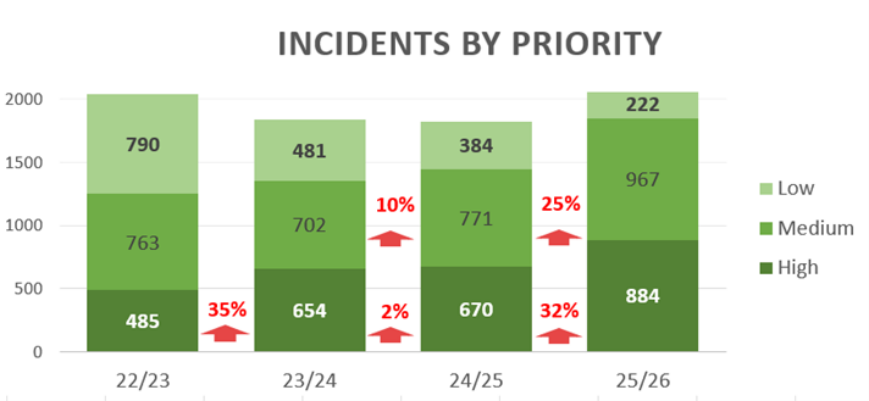
Figure 1: Incident numbers by priority level, 2022/23 to 2025/26
2.3 Alongside an overall increase in incidents, there has been a rise in those classified as high and medium priority, continuing a trend seen in recent years. This reflects growing scale and complexity, driven in part by global supply chains and cross-border distribution, as illustrated in the cereulide case study (see Annex B).
2.4 Outbreaks (footnote 2) and clusters of interest represent some of the most complex and resource intensive risks managed by the organisation, often requiring sustained, multi‑agency coordination across national and international partners. While advances such as whole genome sequencing are strengthening our ability to detect and link cases, they are also increasing the scale and complexity of evidence that must be assessed, for example, by linking cases that would previously been noted as sporadic cases rather than an outbreak. This is extending the duration and intensity of investigations (see Annex C for case study).
Types of incident
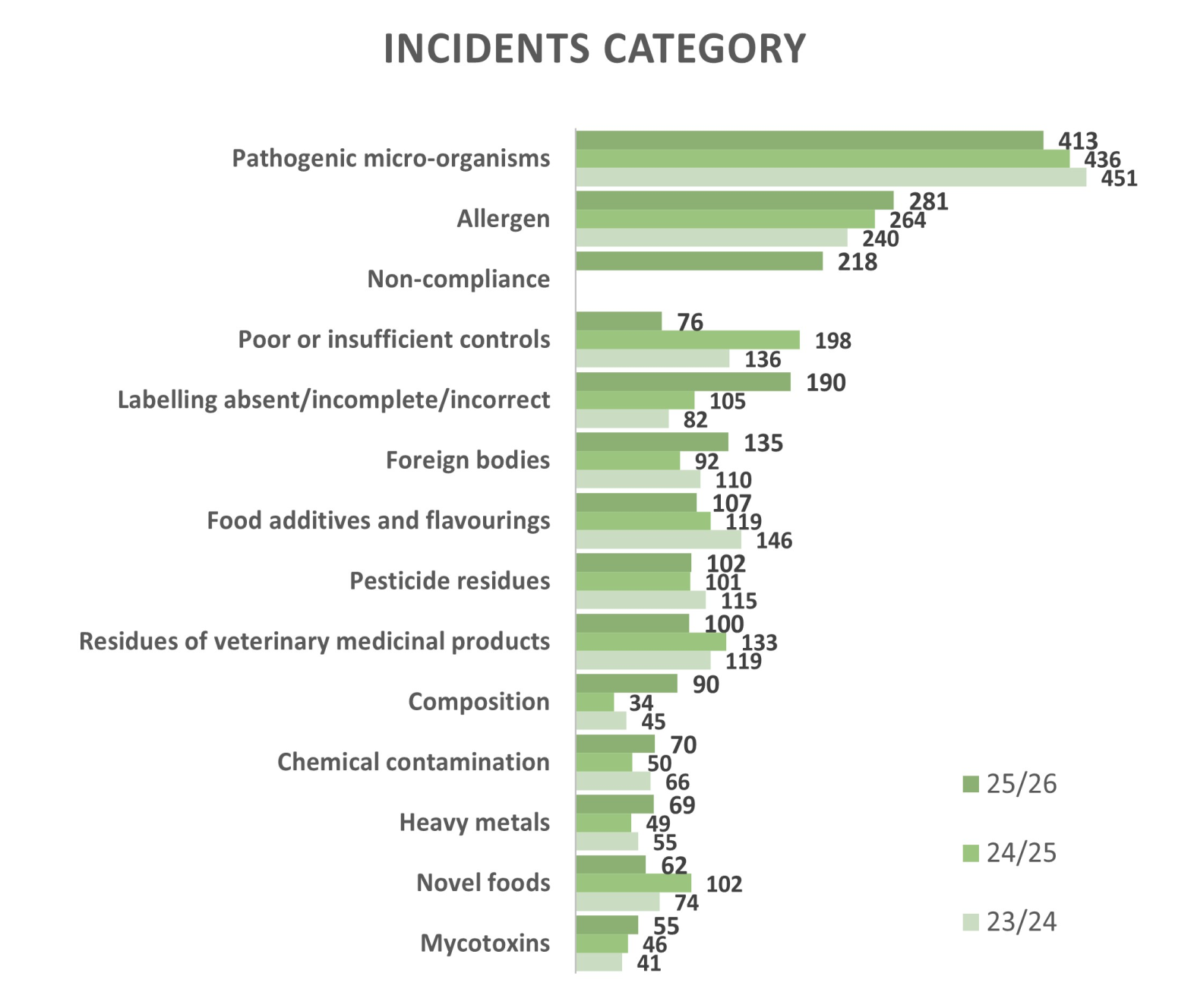
2.5 While pathogenic micro-organisms are the most commonly reported hazard type, the number of incidents attributable to them has declined year on year, from 451 in 2023/24 to 413 in 2025/26. The reasons for this are primarily due to changes to reporting arrangements, with animal disease incidents no longer being recorded as incidents.
2.6 Allergen incidents are the second most commonly reported hazard. The new non-compliance (footnote 3) category, introduced this year to deliver a more granular data capture, ranks third. Labelling incidents have almost doubled, however this is mainly due to evolving reporting in the new incident recording system introduced in May 2025, which allows multiple relevant hazard categories to be recorded. Allergen incidents often occur alongside labelling issues, as the allergen is not declared on the label. Prior to May 2025, these would have been recorded as allergen incidents rather than as both allergen and labelling incidents.
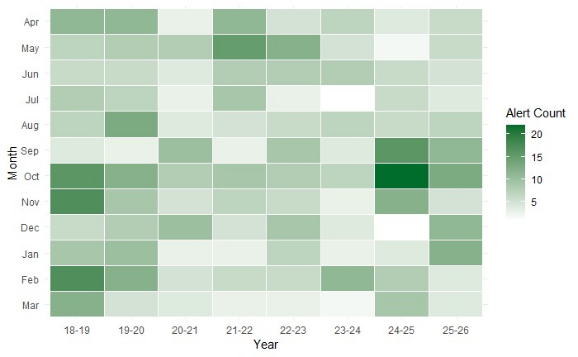
2.7 We completed a detailed analysis to investigate potential seasonality on Allergy Alerts. The evidence suggests that Allergy Alerts are not driven by strong or predictable seasonal factors. Instead, the observed fluctuations appear to be largely influenced by year specific or one-off events. This is further supported by allergen-level analysis, which indicates that isolated spikes (such as the increase in 2024–25 driven by peanut allergy incidents) do not reflect a systemic trend.
2.8 The yearly trend shows that Allergy Alerts peaked in 2018-19 and generally declined in subsequent years, reaching a low in 2023-24 before a modest increase in recent years. However, this recent rise does not exceed earlier peak levels and remains lower than historic highs.
Types of pathogen
2.9 The most commonly reported pathogenic micro-organism across all incidents was Salmonella sp., comprising 50% (n=206) of pathogenic micro-organism incidents. This was followed by Listeria (22%) (n=92) and E. coli/STEC (13%) (n=57). This is an increase in Salmonella incidents from previous years but a stable or decreasing trend in most pathogens.
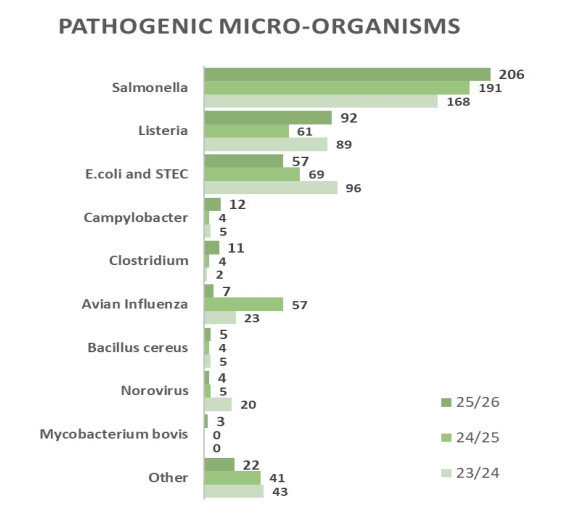
Figure 3: Most commonly recorded pathogens for pathogenic micro-organism incidents, 2023/24 to 2025-26
2.10 Across 2025/26, there were 54 reported foodborne disease outbreaks (n=25) or clusters of interest (footnote 4) (COIs) (n=29). Outbreaks have epidemiological or food chain evidence supporting a common source of infection between cases, while in COIs that link was not possible to establish, typically due to low case numbers and/or lack of epidemiological information. Only one of these incidents was an animal health outbreak with potential food/feed safety implications (see Annex D case study), the rest were human health COIs/outbreaks. This represents a decline in recorded outbreaks and COIs of 18% from 66 in 2024/25, with lower numbers of Salmonella (11 in 2024/25 compared to 9 in 2025/26) and STEC (13 in 2024/25 compared to 6 in 2025/26).
2.11 The reduction in outbreaks does not necessarily correspond to a reduction in cases affected or the time it takes to investigate and manage the response. As noted above, these incidents can be complex. The learning from them is used to strengthen existing controls and support development of new prevention strategies (for example, data and learning from incidents is being used to inform FSA work on foodborne disease, in light of increases in levels of Salmonella and Campylobacter).
2.12 During 2025/26, the team also processed 12,700 signals (footnote 5). This resulted in 51 new incident and product referrals that required action and removal from the market, referrals for LAs and other authorities to investigate. A further 476 signals were also referred ‘for information and awareness’ to other areas of the FSA and others are routinely shared with Other Government Departments (see Annex E for examples).
3. Evolving Areas and Opportunities
3.1 Over recent years, we have seen incidents more frequently requiring a multi‑agency response with intertwined food safety, public health, wider consumer interest, resilience and, at times, national security considerations. Increased exposure through international supply chains and digitally enabled cross border routes to market, including online marketplaces and non‑traditional distribution channels, mean traceability, accountability and enforcement can be very challenging to establish. This can impact on our ability to secure the necessary food safety interventions.
3.2 These challenges can be exacerbated by disruption to food supply chains. The conflict in the Middle East this year has not presented immediate food safety implications, but its effects, particularly in relation to oil and fertiliser prices, will increasingly be felt across the food system over the coming year. We can expect further disruption in the future as a result of geopolitical instability and climate change.
3.3 We face some significant challenges, but we can also see opportunities. There is now a huge wealth of data available which we can exploit to help us better manage risk in the food system. The incident response process is ripe for technological advancement and automation. For example, the early stages of management approach regarding volume and assessments, supply chain mapping are all areas with opportunity to rethink how we approach the risks and the processes to deliver key efficiencies. We can strengthen our cross-government and international partnerships, including through opportunities that will come with the SPS agreement with the EU.
3.4 There is an increasing focus across industry, government and academia on food system resilience. Recent developments in the Middle East have sharpened attention on this issue. We are drawing on our learning from previous supply chain shocks, such as that prompted by the Ukraine conflict, to help clarify where the FSA can add greatest value in strengthening UK preparedness for disruption. Through a dedicated project with the Science Council, we are examining how large‑scale events (such as geopolitical shocks) could cascade through food safety, authenticity, supply and consumer confidence, and where interventions would be most effective.
3.5 Against this backdrop, we believe we need to evolve our approach to incidents and resilience so that we can continue to protect consumers in the future. Responding to incidents alone is not sufficient. Effective risk management requires responders to have earlier visibility of emerging threats, through shared data and intelligence across partner organisations, and more timely upstream intervention, before risks escalate into large‑scale incidents or outbreaks (see Annex F). For the FSA, this means we need to evolve from a predominantly reactive model towards one that focuses more on prevention, preparedness and system leadership, while continuing to deliver a strong regulatory response when incidents occur.
4. What we have done so far
4.1 An updated and modernised risk classification matrix has been developed and is being trialled in early 2026/27, with the intention of operational rollout in the summer of 2026. This will enable clearer risk profiles and improve how incidents are categorised and prioritised to better ensure the acute risks that would affect consumers are dealt with first, whilst ensuring chronic issues are managed effectively.
4.2 We have improved our ability to identify, articulate and manage risk through clearer operational controls and have established a new performance framework for 2026/27.
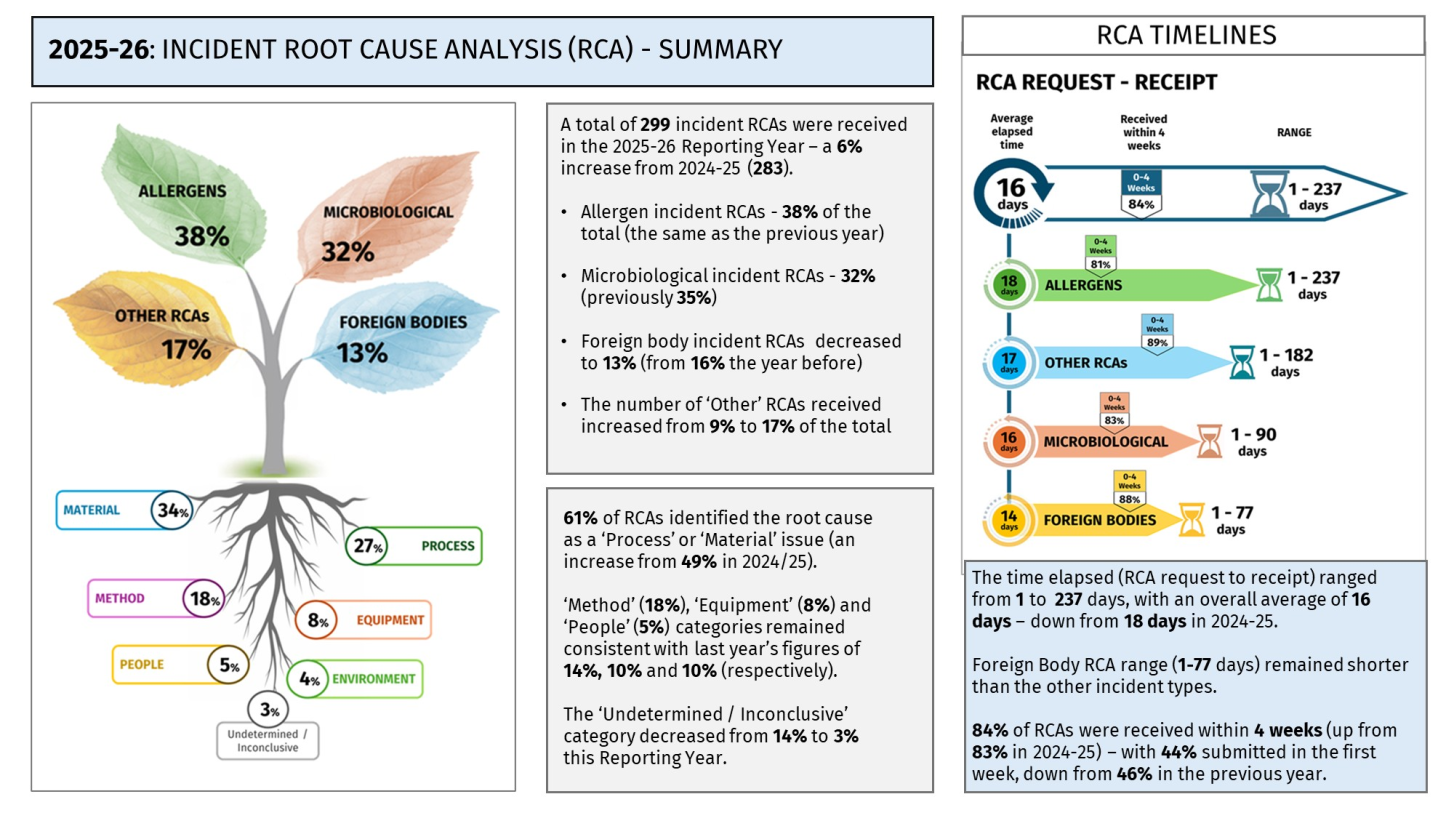
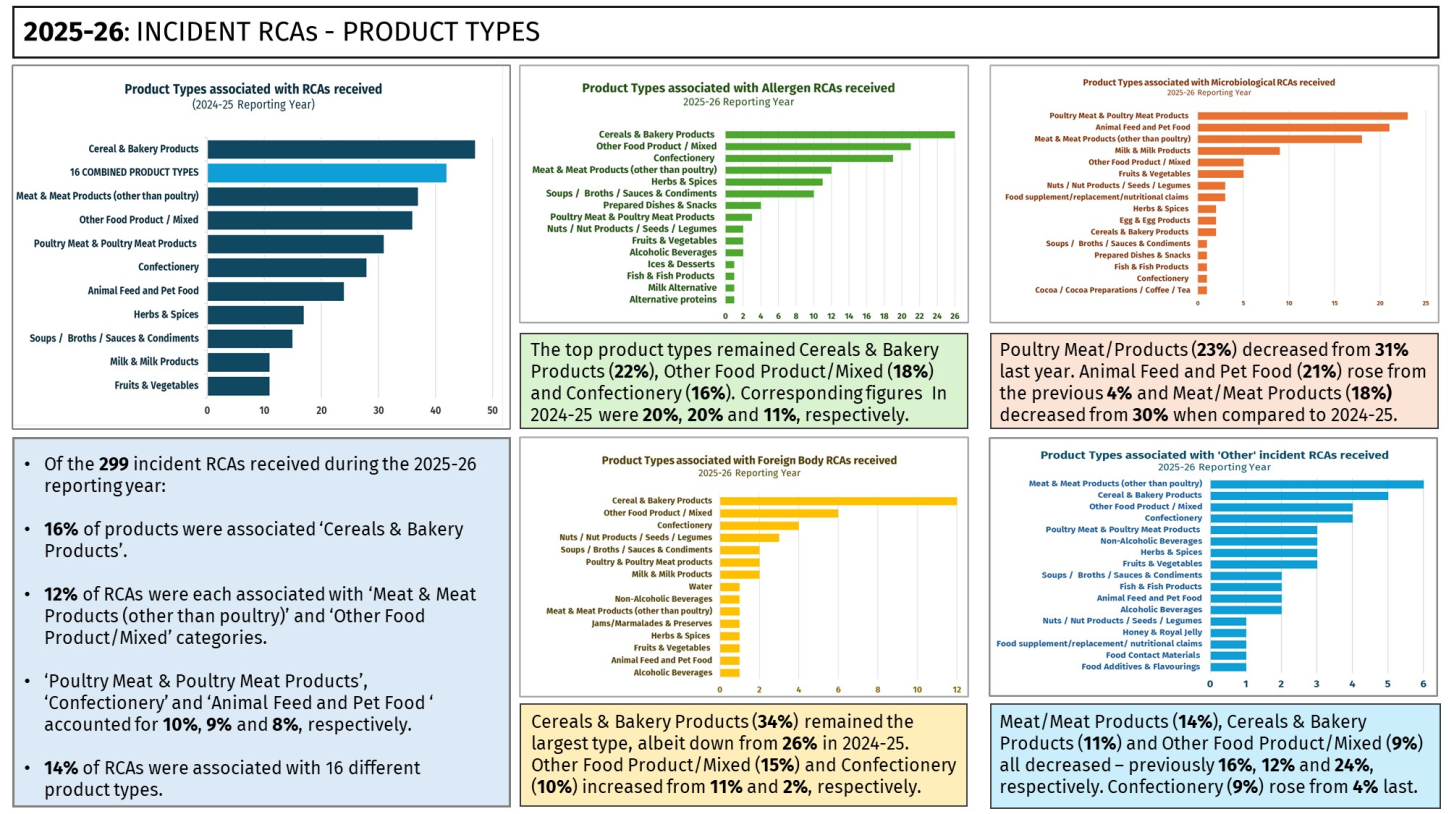
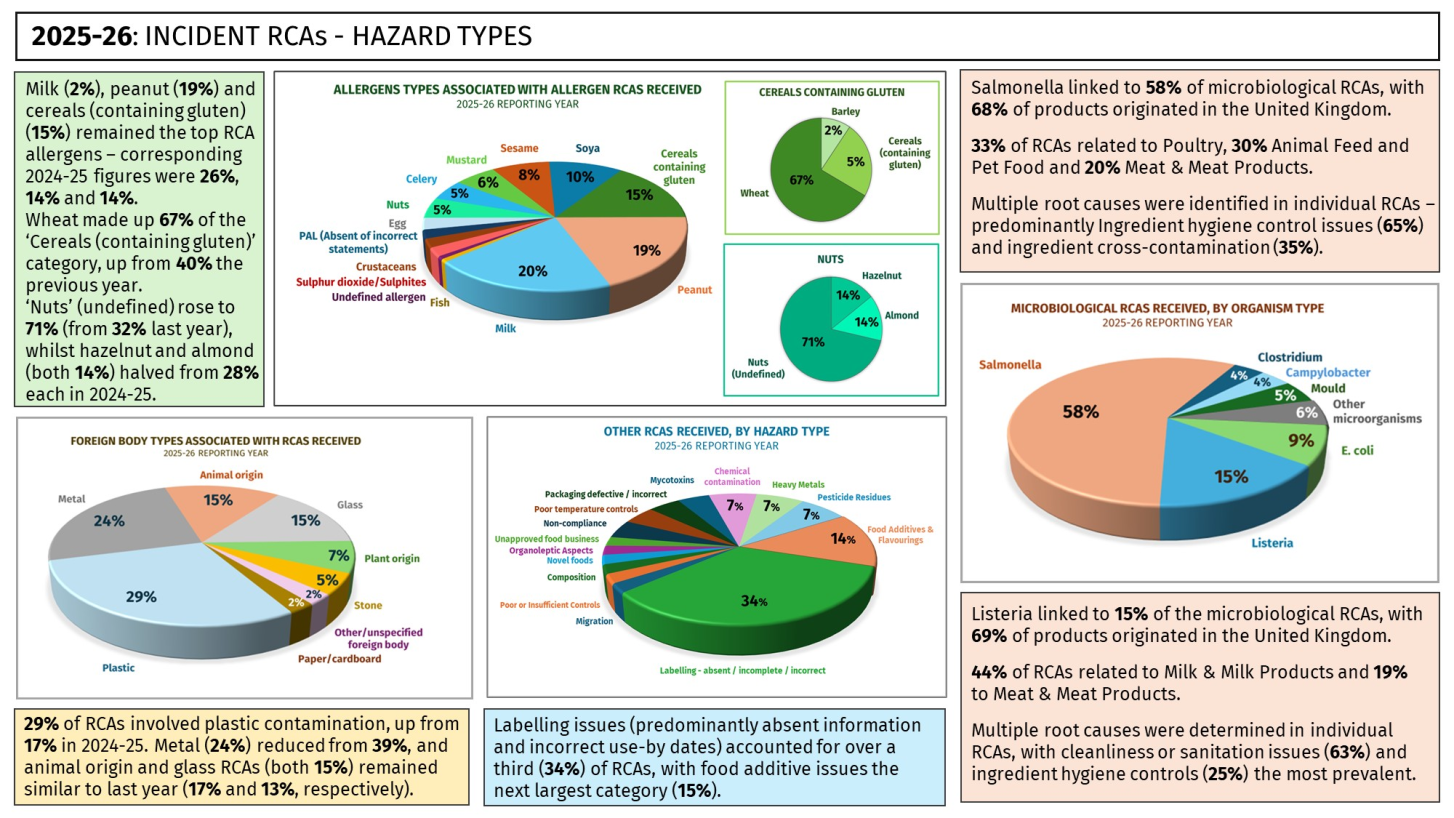
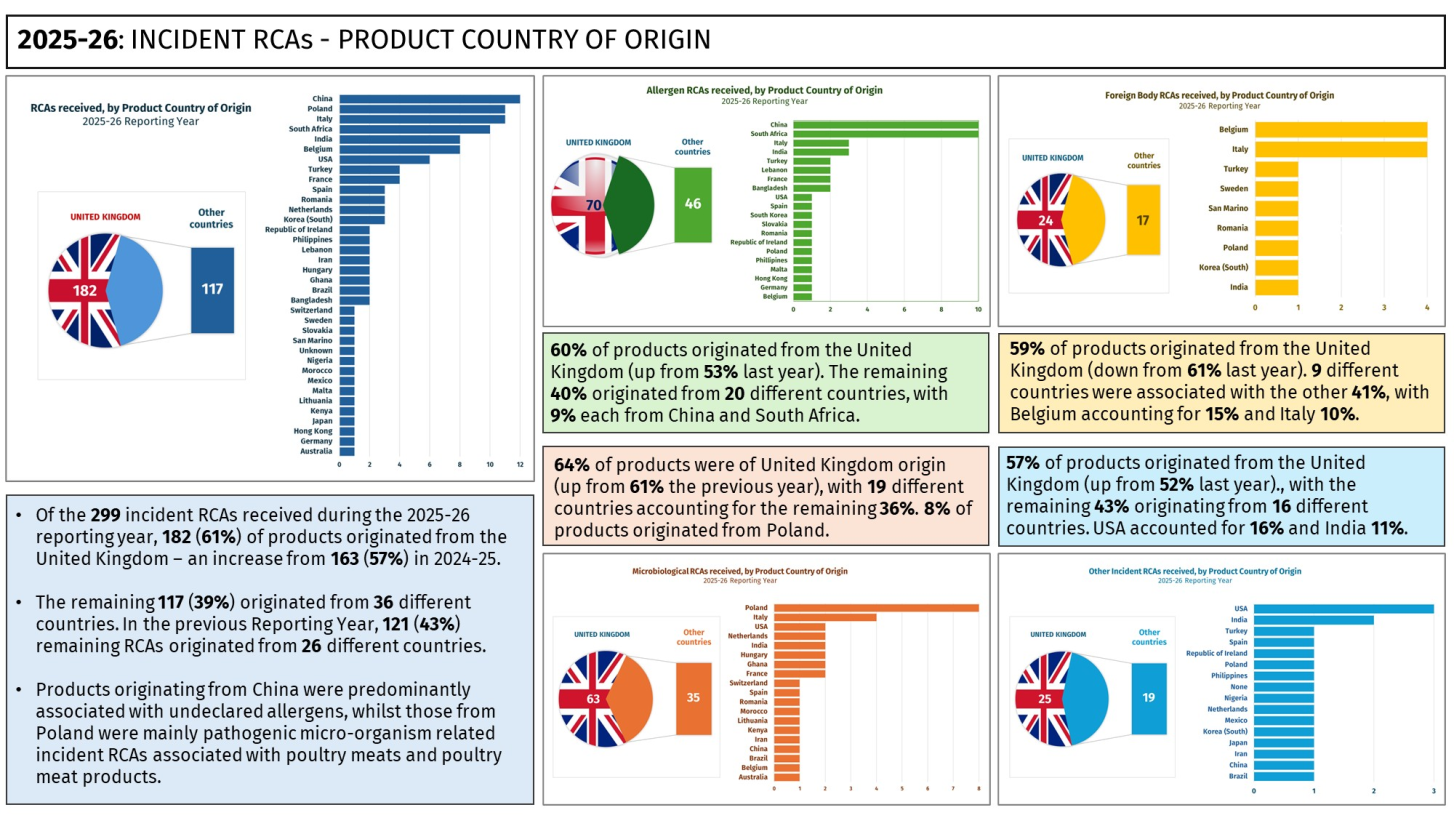
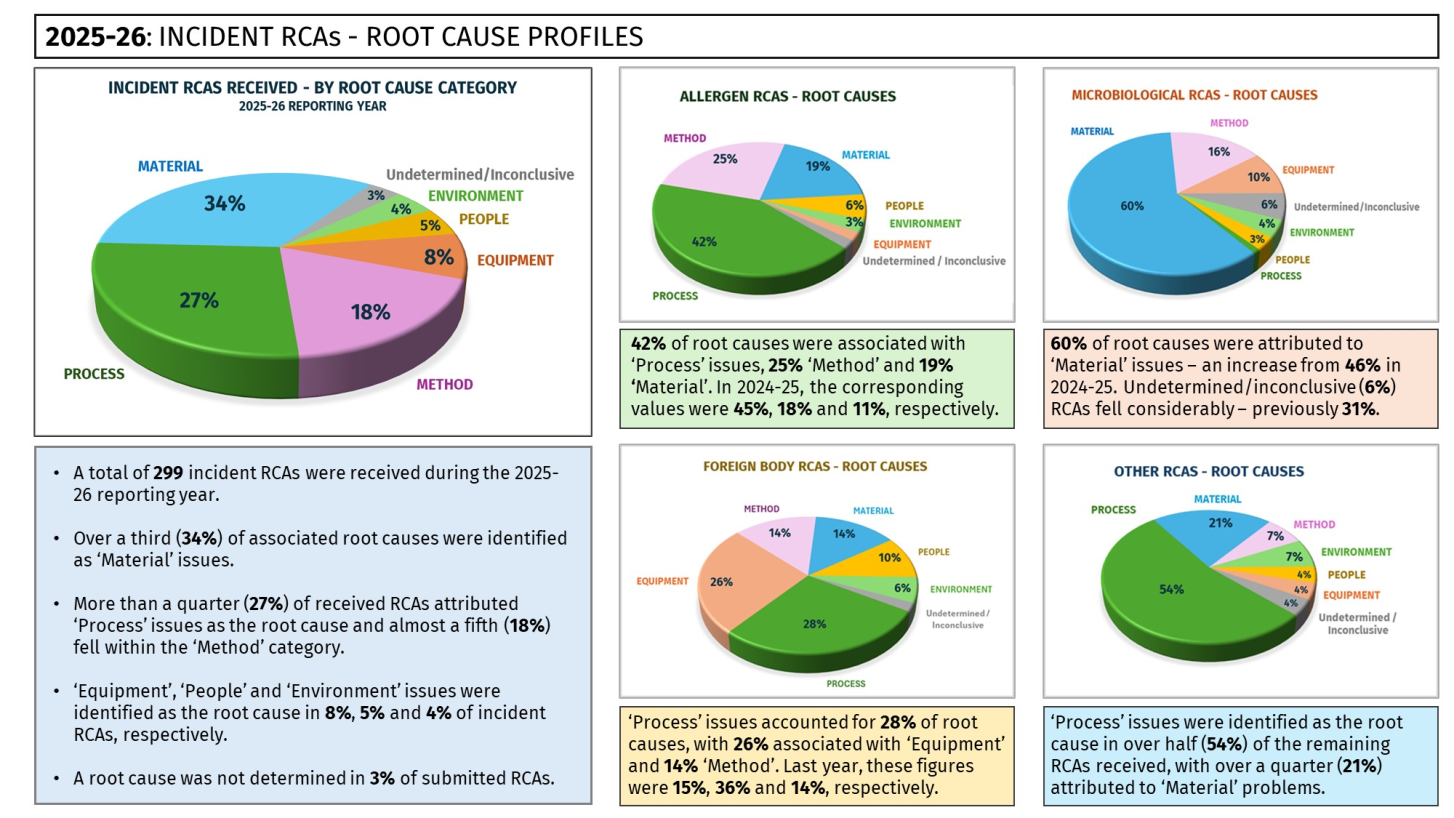
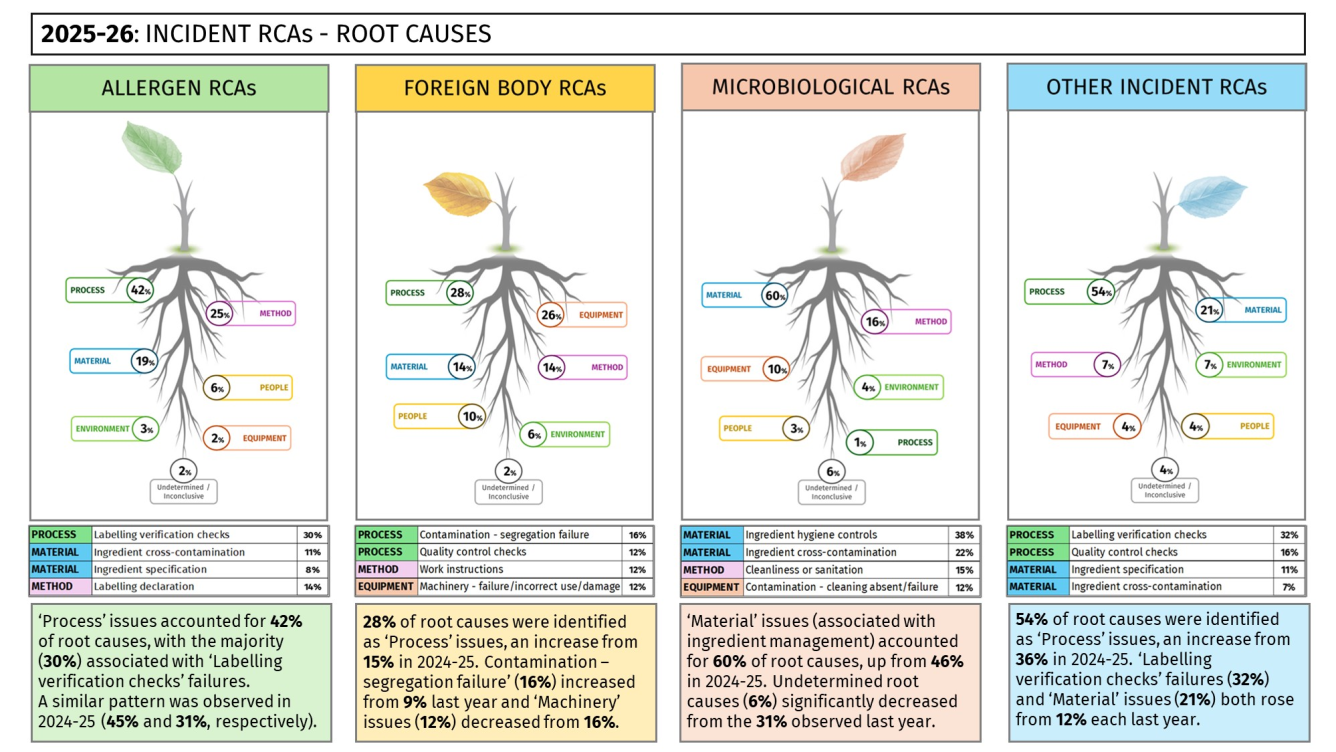
4.3 We are using Root Cause Analysis (RCA) not only to understand individual incidents, but to improve systems intelligence by identifying recurring drivers of failure and prioritising upstream interventions (see Annex F). We engage with industry to ensure good practise and learning from the RCA process is shared.
4.4 RCA insights are published on animal feed and pet food incidents every six weeks. The publications highlight key hazards, root causes and preventative measures. FSA prevention activity is increasingly influencing industry partners, including through publications, such as our new Local Authority targeted newsletter and extensive industry and trade body engagement, which is helping to shift behaviours and strengthen system resilience, and shared ownership of risk.
Capacity and capability
4.5 The FSA has strengthened its surge capability to provide resilience in the face of large, high impact, fast moving, or concurrent incidents. The FSA Emergency Response and Support Team (FERST) provides a trained briefing support cadre, enabling rapid mobilisation of additional capacity.
4.6 We have invested in senior leadership capacity and capability for incident response and resilience and will continue to do so, recognising the demands created by current and emerging geopolitical events.
4.7 Risks to UK participation in INFOSAN were mitigated through interim UK funded technical support, maintaining access to critical international intelligence and ensuring continued preparedness for cross-border incidents.
4.8 We delivered our exercising plan, which included 30 events and involved over 800 colleagues, strengthening strategic and tactical readiness, role clarity, and interoperability across teams and partners.
4.9 We implemented the new incidents case management system PRISM across 2025/26. PRISM provides a single, consistent platform for managing incident information, strengthening data quality, and oversight and assurance across the incident lifecycle. The system has delivered administrative efficiencies, improved transparency, accountability and the effective sharing and use of information, enhancing our ability to respond efficiently and confidently to incidents, including those spanning multiple agencies and borders.
4.10 The FSA Ready Programme has been established as a multi-year change programme across the FSA looking at how we work, our structure and our capabilities. It aims to ensure we take the right action now to prepare us for the future, and several projects are now underway within it to help us to become a more tech-enabled, data-driven organisation that can respond to emerging risks, regulatory changes, and a changing food system. These are described in more detail below.
5. What we propose to do next
5.1 Later this year, as part of the FSA Ready programme, a new Food System Resilience Directorate will be created. This directorate, which will include our incidents and resilience function, will strengthen our capacity to identify and respond to near term food system risk in the FSA. As we create the directorate, we are also increasing our resource on resilience and ensuring that we can play an active part in key cross government forums to support effective horizon scanning, shared situational awareness, timely coordination and collective action, spanning both national security and other security contexts.
5.2 Within the directorate, we will establish a risk and intelligence hub, bringing together teams who perform the functions of gathering and analysing intelligence on near-term food system risk, to better support choices about mitigation actions. This will improve risk identification, triage and decision-making by consolidating fragmented processes, establishing a unified risk framework to enhance intelligence sharing through a single data platform.
5.3 In tandem, another project within the FSA Ready programme will develop a new Incident Operating Model across the FSA. This project will set out clear roles, escalation routes and risk management structures, supporting a more coordinated decision-making framework and scalable approach to incident management.
5.4 Through this model we will look to further strengthen the FSA’s approach to foodborne disease incidents through even closer alignment with key partners, particularly the UKHSA. Clearer roles, escalation routes and shared operating procedures will support more timely information sharing, coordinated investigations and improved decision making. Continued development of these partnerships will be central to delivering a consistent, end‑to‑end response to foodborne disease incidents and protecting public health.
5.5 As part of our Technology Transformation Strategy, we will build on the work to roll out the new PRISM system by introducing digital and data driven incident triage capabilities, including AI assisted classification and integration with existing workflows, to reduce manual effort, improve consistency and auditability.
5.6 We can make process improvements through these projects, but there are also some strategic questions we will want to address during our review of the incidents operating model. We need to consider whether our current approach to incidents remains appropriate in a context of increasing system complexity, higher volumes of weak signal intelligence, and growing reliance on prevention and early intervention rather than downstream activity. We have some strategic choices to make about how we focus the FSA’s resources and how we best add value in the system – for example, how important is the co-ordination and advice role that FSA currently plays on many low priority incidents, and are there other ways to meet those needs?
5.7 There is a clear tension between sustaining core regulatory delivery and investing in future capability, yet we need to deliver both. As Government and key partners expand their analytical, digital and enforcement capacity, choices are required about where the FSA leads, where it aligns, and where it relies on others to avoid duplication and maximise food system resilience and value. We are very conscious that choices we make about FSA activity could deliver pressure points inadvertently to other areas of the food system, notably Local Authorities who have resourcing pressures.
5.8 We will return to the Board for a discussion on these questions as the work on the incidents operating model develops, but at this stage we would welcome any steers the Board wish to give.
6. Conclusions
6.1 2025/26 has been particularly demanding, with an increase in high priority and more complex incidents with the potential for severe public health impacts managed alongside routine incident activity and simultaneous delivery of a major transformation through the implementation of the new PRISM case management system.
6.2 We have grown our capability to:
-
maintain operational grip and assurance through improved case management and data quality (PRISM).
-
mobilise surge capacity and specialist support when needed (FERST).
-
generate earlier insight through signals intelligence and RCA learning.
-
translate that insight into prevention action with industry and partners while stabilising the quality of response.
6.3 We cannot, however, be complacent. Our ability to protect consumers depends on the resilience of the wider food system and we need to evolve our approach. Earlier and better signals, stronger intelligence and insight, and ability to translate these into effective prevention strategies, alongside sustained capability to manage high impact incidents when they occur will enhance our capabilities. This will require improved system leadership enabled by better information sharing and decision making. The work we have underway as part of our FSA Ready programme is designed to help us make these shifts.
Annexes A-F
Annex A – Data and Analysis
Figure A1: Total number of incident notifications received by the FSA, by reporting year.
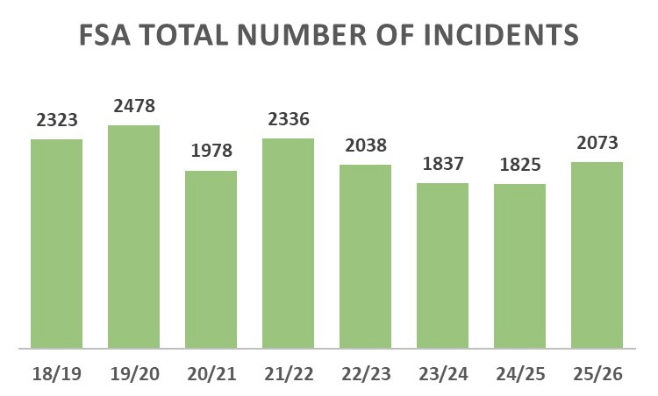
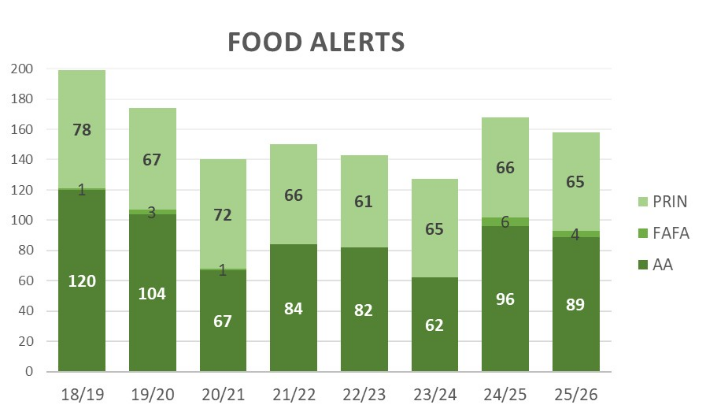
Figure A3: Top ten incident notification categories received during 2023/24 to 2025/26 reporting year, by incident type (percentages).
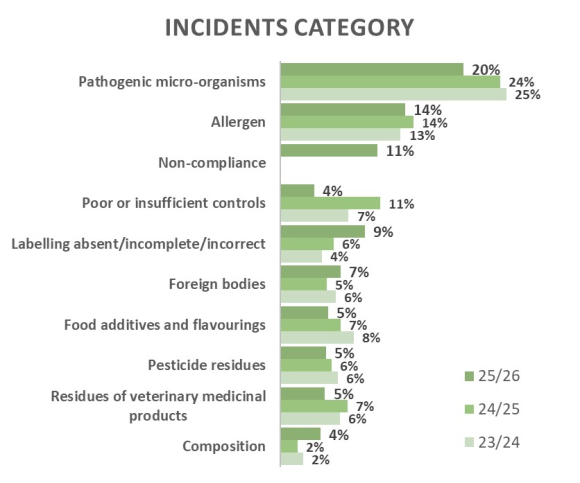
Figure A4: Outbreaks and clusters of interest (COIs) by pathogen, 2023/24 to 2025/26
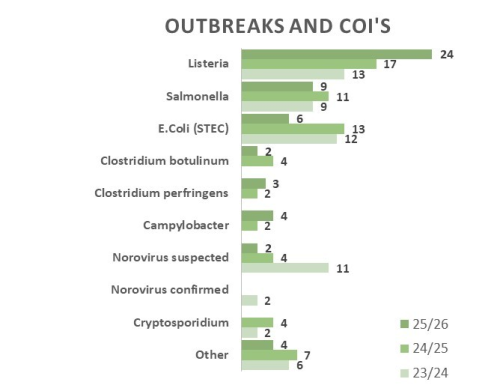
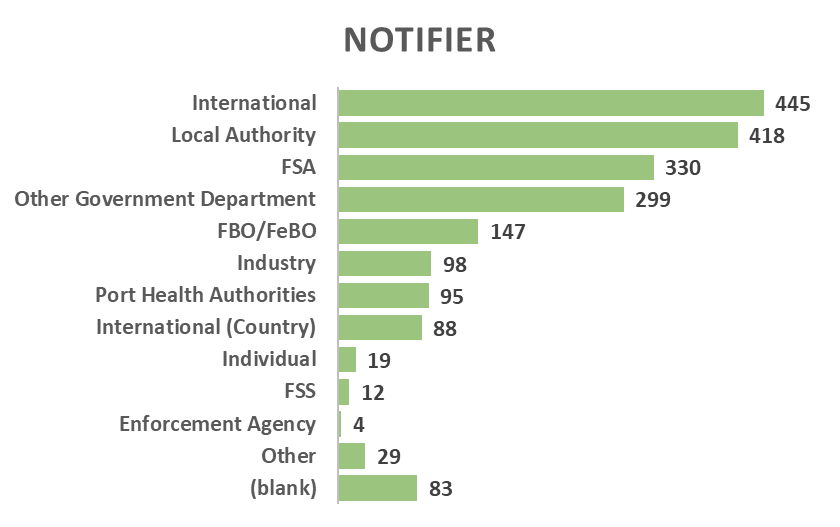
Figure A5: Top twelve incident notifications received during 2025/26 reporting year, by notifier (count).
Annex B – Case Study – Cereulide toxin in Infant Formula and Follow-on Formula Products
In December 2025, the FSA noted an EU-wide recall of infant formulae by a major manufacturer of infant formulae that their products may contain cereulide, a toxin produced from certain strains of Bacillus cereus. The FSA enquired with the Central Competent Authorities (CCA) and were advised that distribution to the UK was unaffected.
In January 2026, and after further extensive testing of retained samples, the FSA were notified that products supplied to the UK were affected and would be recalled. The FSA immediately notified the U.K. Health Security Agency (UKHSA), the Department of Health and Social Care (DHSC), the National Health Service (NHS) and the Medicines and Healthcare Products Regulatory Agency (MHRA) of the imminent recall.
The manufacturer issued a recall notice to consumers which the FSA amplified by displaying a product recall information notice (PRIN) on the FSA website and social media channels. A communications handling plan was initiated and lines added to share with the media.
As part of the incident response and food chain investigations, the FSA, Food Standards Scotland (FSS) and the Food Safety Authority of Ireland (FSAI) met with the Technical Directors of the manufacturer to determine the initial root cause of the contamination. The initial root cause was identified as the ingredient arachidonic-rich acid (ARA) oil, which is a synthetic omega 6 oil, to replicate the natural occurrence in breast milk. The ARA oil had been contaminated and was added to the infant formulae. This oil was in widespread use across the infant formulae industry, but food chain investigations identified ARA oil from a specific supplier in China as the suspected source.
As manufacturer testing continued, more brands, product lines and batches were added to the list of recalled products which were amplified in PRINs Update 1, Update 2 and Update 3. A further manufacturer initially recalled a single product which was amplified in a PRIN, but further testing widened and extended the product recall which led to further PRINs. The nature of supply into the island of Ireland confirmed that additional batches were supplied to NI consumers which required an additional PRIN. The recall by the second manufacturer was extensive and was accompanied by a news story to reassure consumers of the response and alert parents and caregivers to the recall. This story was carried by all major media outlets.
Many of the best before dates of recalled products applied to products placed on the market in mid-2025 but contamination was unknown at that time. Testing of retained samples from earlier production explains why earlier dates were recalled.
The FSA led on food safety response and UKHSA led on public health response, with both organisations escalating the incident to non-routine (and UKHSA equivalent) to enable a cross FSA and cross-Government response. Government Departments worked together by attending the corresponding meetings to ensure the food safety actions and public health responses were aligned, as suspected cases of illness had been reported and there was a risk of supply shortage.
The FSA engaged directly with major retailers in a British Retailer Consortium (BRC) forum, and with DHSC supply chain resilience and manufacturers to assess available product and to ensure some product was available albeit at lower than usual levels.
The FSA established a sampling cell working in conjunction with UKHSA, to randomly sample non-recalled products to be assured that no affected product remained on the market and UKHSA arranged for the testing of products which consumers had reported made their babies unwell. UKHSA published Health Protection Reports which also received media attention.
The FSA contacted Local Authorities (LAs) for all UK suppliers and sought assurances that affected ARA oil was not used. The FSA met directly with LAs and manufacturers to discuss the source of ARA oil to ensure that no affected products remained on the market. No recalled product was manufactured in the UK.
Root Cause Analysis (RCA) has been requested from all parties concerned including international stakeholders.
On 13 March 2026, the WHO published a Disease Outbreak News article about this incident, which the FSA and UKHSA contributed to and confirms 99 countries and territories were affected by the recalls.
The EU has implemented enhanced measures for ARA oil at the point of import. Similarly, the UK has agreed to enhanced surveillance of ARA oil imports at the UK border.
Annex C – Case Study – Outbreak of Salmonella linked to Eggshell Membrane Supplements
In May 2025, the FSA was notified of two human cases of Salmonella Enteritidis in Scotland, where an eggshell membrane food supplement was identified as a possible source of infection. Microbiological testing of the product confirmed Salmonella Enteritidis with a complex antimicrobial resistance (AMR) profile, raising significant public health concerns. Public Health Scotland convened a multi‑agency Incident Management Team (IMT) with the U.K. Health Security Agency, Public Health Wales, the FSA and Food Standards Scotland and other partners, with the aim of coordinating epidemiological and food chain investigations to support and coordinate risk management actions. Between May and October, seven cases of three different Salmonella serovars were identified in the UK, and product testing identified six Salmonella serovars (including genetic matches to the strains reported in the cases), as well as multiple strains of other gram-negative bacteria which harboured extensive antibiotic resistant gene profiles, including a carbapenemase gene which confers resistance to last-line antibiotics.
Food chain investigations identified a UK business, which had imported eggshell membrane raw material from China, manufactured capsules in the UK, and sold the product via online platforms. Local Authority inspections uncovered serious deficiencies in traceability, labelling, and record‑keeping, which hindered further investigation and obscured the true distribution of the product. The volume placed on the UK market was significantly greater than initially understood, and the business subsequently ceased trading. The raw material supplier was traced to a business in China, prompting engagement with international partners. Product recalls were issued and major online marketplaces withdrew the affected products from sale.
In October 2025, a further Salmonella case was identified with the same genetic strain found in the eggshell membrane product; investigations identified the case consumed a different brand of eggshell membrane supplement, with raw material sourced from the same Chinese supplier as the earlier outbreak. The product was sold via a US registered website with no identifiable UK food business operator, making conventional enforcement action impossible. Following engagement with the US Food and Drug Administration, UK consumers were identified and directly contacted, and a consumer food safety warning was issued. AMR experts were consulted and noted that there was a potential risk for transfer of resistance genes between bacteria via plasmids and dissemination into the environment, water sources and wastewater, companion animals, livestock and food supply chains, therefore requiring a One Health approach in consideration of risk management options.
In total, eight human cases were reported across Scotland and England. The incident highlighted key challenges associated with online food sales, international supply chains, and limited overseas regulatory cooperation, as well as the risk of incursion of AMR-related hazards into the UK, reinforcing the need for flexible, intelligence led approaches to protect consumers in an increasingly complex food system. An FSA survey of eggshell membrane supplements was initiated to better understand the risks associated with these products.
Annex D - Case Study – Botulism in Cattle
In September 2025, FSA were notified of a number of farms who had reported losses of cattle with clinical signs typical of botulism. The Animal and Plant Health Agency (APHA) advised they were investigating a number of suspected botulism incidents in cattle linked to ‘former food,’ bakery waste.
Two feed businesses (FeBOs) were identified as suppliers to those farms. Feed chain investigations identified that one of the FeBOs had been supplied by the other FeBO and that a total of seven farms/FeBOs had been supplied with the potentially affected feed.
The originating FeBO cooperated with the FSA and local authority (LA) and identified that a batch of their bulk animal feed had been fed to animals on three of the affected farms. They had contacted their farm and feed customers and advised them to not use the feed and withdrew the suspected batches from the market. Product was not supplied to the wider public, so a recall was not necessary.
The incident was rapidly escalated to non-routine and the U.K. Health Security Agency (UKHSA) also carried out an impact to human health assessment. UKHSA tested the ‘bakery waste’ from the food manufacturing premises but did not identify any concerns that would affect human health.
Clostridium botulinum (Botulism) has a number of strains (A-F). C and D affect animals but do not affect humans. C and D strains are not transmitted via the handling or consumption of meat but there is a high mortality rate if consumed by cattle.
FSA Field Operations confirmed that animals showing clinical signs of illness (including Botulism) and are not permitted to enter the food chain. An FSA commissioned risk assessment considered transmission to humans from milk, raw milk and meat concluded that milk and meat from unaffected, healthy animals could enter the food chain after observation of a period of 18 days after withdrawal from the suspected source.
Feed chain investigations mapped the supply of the potentially affected feed and confirmed that all those recipients were aware of the incident and were not continuing to feed it to animals. Across the affected farms in excess of 700 fatalities were reported.
APHA provided advice to LAs on disposal routes for affected feed.
Laboratory analysis of the stomach contents of some deceased cattle confirmed presence of C and D strains of Botulism as did some remaining animal feed. As Botulism is a toxin, whole genome sequencing is not available to definitively confirm an exact match between the stomach contents and the animal feed. Root Cause Analysis was sought from the originating FeBO.
Annex E - Signal Case Studies
|
Types of Signals |
Examples: |
|---|---|
|
Incident referrals: Signals can support prevention by identifying potentially high-risk products early, validating whether they are widely available and may already be reaching UK consumers through online or cross-border sales channels. Early action at this stage can limit exposure before a wider public health impact is established. Where intelligence confirms broader distribution, signals provide a basis for proportionate escalation and coordinated action. This can include working with international partners, public health agencies and online platforms to clarify distribution routes, remove products from sale, and support consumer notification. The value of this approach is that it turns intelligence into timely intervention, reducing the likelihood that unsafe products remain available on the market. |
Signals from November 2025 reported several Salmonella outbreaks linked to moringa leaf powder and capsules, including an “extensively drug-resistant” strain in February 2026. The Signals Team quickly validated the risks and removed affected products from non-UK online sellers in China, France, and Ireland. An update from the U.S. Food & Drug Administration (FDA) later confirmed that product distribution had expanded globally, including to the UK through online marketplaces and direct sales. European agencies confirmed this and issued national recalls. A formal incident was initiated, prompting coordination with US authorities via INFOSAN to clarify UK distribution, collaboration with UKHSA, and communication with online platforms to remove listings and inform customers about the recall. |
|
Removal of unsafe products from the market / referrals for further investigation: Signals can support prevention by identifying products where failures in storage, handling or distribution controls may create serious food safety risks, and by checking whether those products are available to UK consumers through online marketplaces or other sales routes. Early identification of these control failures allows risks to be assessed before wider consumer exposure occurs. Where the risk is confirmed, signals provide a basis for proportionate and coordinated preventive action. The preventive value lies in acting quickly to reduce the likelihood that unsafe products remain available and to limit further consumer exposure. |
A Sea Moss Gel Superfood was recalled in the USA due to botulism risk from poor temperature control. Botulism, caused by Clostridium botulinum, can occur when products are not properly stored. Listings for the affected gel were found on UK online marketplaces, and these were reported to the Incidents team. An incident was raised, prompting the removal of product listings from online platforms. Food Business Operators (FBO) issued recall notices to customers who had stocked or sold the product, advising them to withdraw it and inform purchasers. This swift action highlights the importance of surveillance and rapid response to food safety issues, especially in online sales channels that enable broad distribution. |
|
Identification of emerging risks: Signals analysis can identify emerging hazards early by bringing together international alerts, intelligence and import data to highlight where there may be a credible risk to UK consumers. The preventive value of signals lies in enabling proportionate action at an early stage. By escalating concerns through established governance routes, the FSA can commission targeted checks and consider whether additional controls or mitigation are needed. This helps reduce the likelihood of unsafe products reaching consumers and shows how intelligence-led, cross-agency working supports incident prevention as well as response. |
During the reporting period, signals of salmonella in pistachios and related products increased, linked to outbreaks in Canada and the USA. The affected nuts originated from Iran and Turkey. Data sourced from Imported Foods Intelligence revealed Great Britain imports significant amounts of pistachios from these countries, although existing controls targeted only aflatoxins, not Salmonella. Recognising potential risks to UK consumers, the Signal Team escalated the issue via the FSA Intelligence Considerations Meeting (ICM) resulting in targeted sampling of pistachio imports at UK ports. This action sought to assess whether Salmonella outbreaks abroad threatened public health in the UK and if further import controls were necessary. |
|
Signals shared for information / awareness: Signals support prevention by identifying products that may pose a food safety risk, validating the evidence quickly, and establishing whether they are available to UK consumers through online sales channels. Early assessment helps determine whether safety thresholds may be exceeded and whether escalation or specialist advice is needed before harm becomes more widespread. Where the risk is confirmed, signals provide a basis for coordinated preventive action. This can include raising an incident, sharing product details across relevant teams, securing removal from online marketplaces, and issuing guidance to consumers, retailers and platforms. Beyond the immediate response, this approach also helps reduce the likelihood of similar risks impacting consumers in future. |
Signals originating in Norway reported recalls of U.S. dietary supplements containing high levels of vitamin D. Signal validation confirmed these products were available to UK consumers online and exceeded safety levels for vitamin D, which could cause toxicity if taken as directed. Policy advice was sought due to the potential health risks, resulting in the prompt removal of affected online listings. Increased awareness of the availability of such supplements contributed to the FSA issuing updated guidance on vitamin D risks and safe levels for consumers, retailers. The new guidance emphasizes the need for ongoing vigilance in addressing food safety threats. For more information, see New year, new guidance: FSA helps consumers navigate food supplements safely | Food Standards Agency
|
Annex F – RCA Data Breakdown
-
Incident Management Plan: Definition of an incident | Food Standards Agency
-
A foodborne outbreak is an incidence, observed under given circumstances, of two or more human cases of the same disease and/or infection, or a situation in which the observed number of cases exceeds the expected number and where cases are linked, or are probably linked, to the same food source (Directive 2003/99/EC)
-
Non-compliance relates to health marks, imports/documents. Previously this would have been captured as poor or insufficient controls.
-
A Cluster of Interest is a group of cases that may be somehow linked (often through analysis of whole genome sequencing data, or in time and space) but does not yet meet the definition of an outbreak due to insufficient information to establish if the cases are linked or probably linked to the same food source.
-
A signal is emerging information that indicates potential threats or risks to the UK supply chain.