Food and You 2: Wave 10 Key Findings
F&Y2 Wave 10 Chapter 4: Food allergies, intolerances and other hypersensitivities
This chapter provides an overview of respondents' self-reported food hypersensitivity prevalence and dining or takeaway experiences.
Introduction
‘Food hypersensitivity’ is a term that refers to a bad or unpleasant physical reaction which occurs as a result of consuming a particular food. There are different types of food hypersensitivity, including a food allergy, food intolerance and coeliac disease.
A food allergy occurs when the immune system (the body’s defence) mistakes the proteins in food as a threat. Symptoms of a food allergy can vary from mild symptoms to very serious symptoms, and can include itching, hives, vomiting, swollen eyes and airways, or anaphylaxis, which can be life-threatening.
Food intolerance is difficulty in digesting specific foods, which causes unpleasant reactions such as stomach pain, bloating, diarrhoea, skin rashes or itching. Food intolerance is not an immune condition and is not life-threatening.
Coeliac disease is an autoimmune condition caused by gluten, a protein found in wheat, barley and rye, including products using these as ingredients. The immune system attacks the small intestine, which damages the gut and reduces the ability to absorb nutrients. Symptoms of coeliac disease can include diarrhoea, abdominal pain and bloating, as well as longer term health consequences if the disease is not managed.
The FSA is responsible for allergen labelling and providing guidance to people with food hypersensitivities. By law (PDF), food businesses in the UK must inform customers if they use any of the 14 most potent and prevalent allergens (footnote 1) in the food and drink they provide.
This chapter provides an overview of the self-reported prevalence and diagnosis of food hypersensitivities, (footnote 2) and experiences of eating out or ordering a takeaway among those with a hypersensitivity.
Prevalence of food hypersensitivities
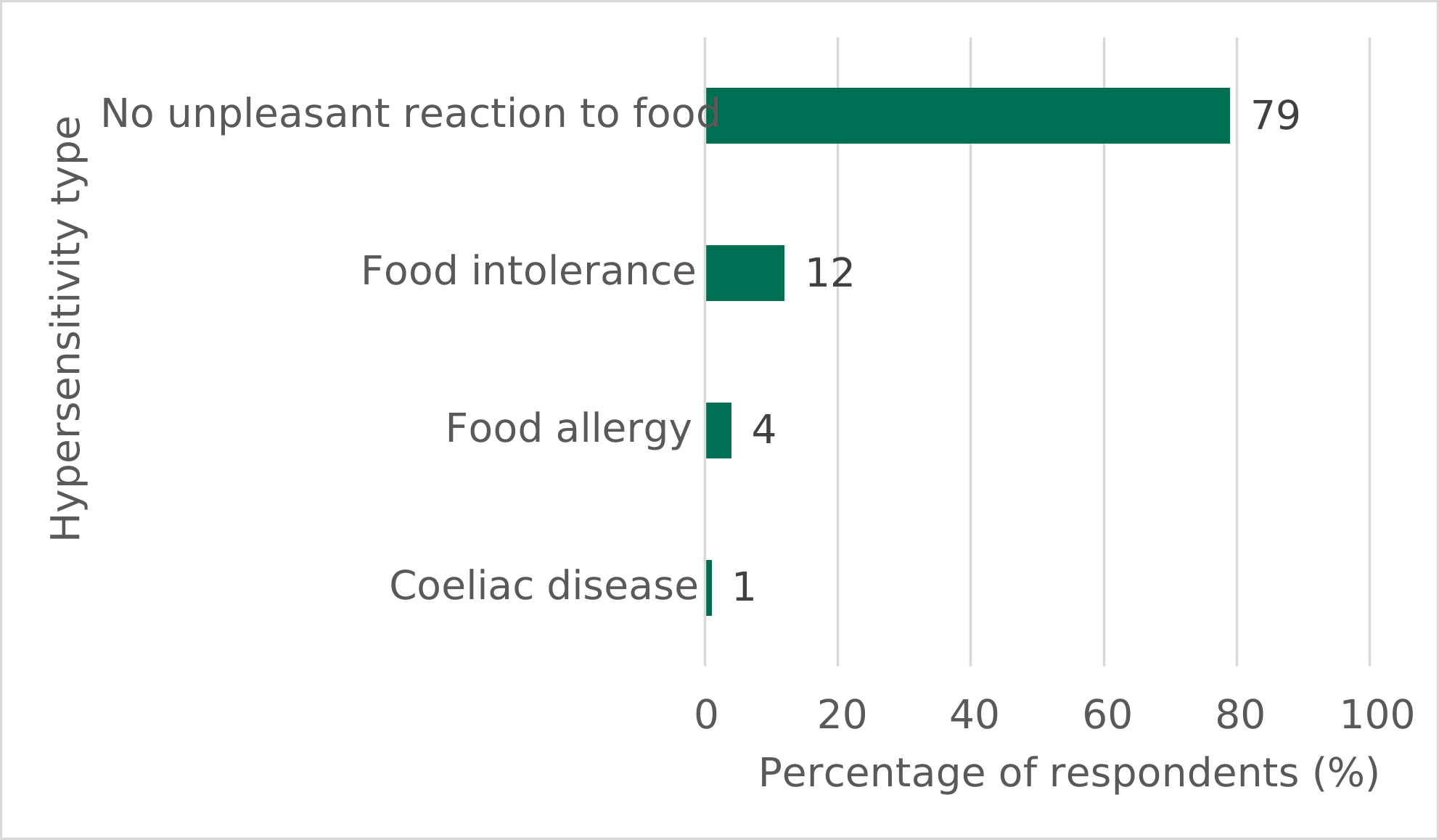
Around one in five (21%) of respondents reported that they suffer from a bad or unpleasant physical reaction after consuming certain foods or avoid certain foods because of the bad or unpleasant physical reaction they might cause. (footnote 3) Most respondents (79%) reported that they did not have a food hypersensitivity. Around one in ten (12%) respondents reported that they had a food intolerance, 4% reported having a food allergy, and 1% reported having coeliac disease (Figure 15). (footnote 4)
Figure 15. Prevalence of different types of food hypersensitivity
Download this chart
Source: Food & You 2: Wave 10
Foods most likely to cause unpleasant reactions
Respondents who reported that they suffered from a bad or unpleasant physical reaction after consuming certain foods or avoided certain foods because of the bad or unpleasant physical reaction they might cause, were asked which foods they experience reactions to.
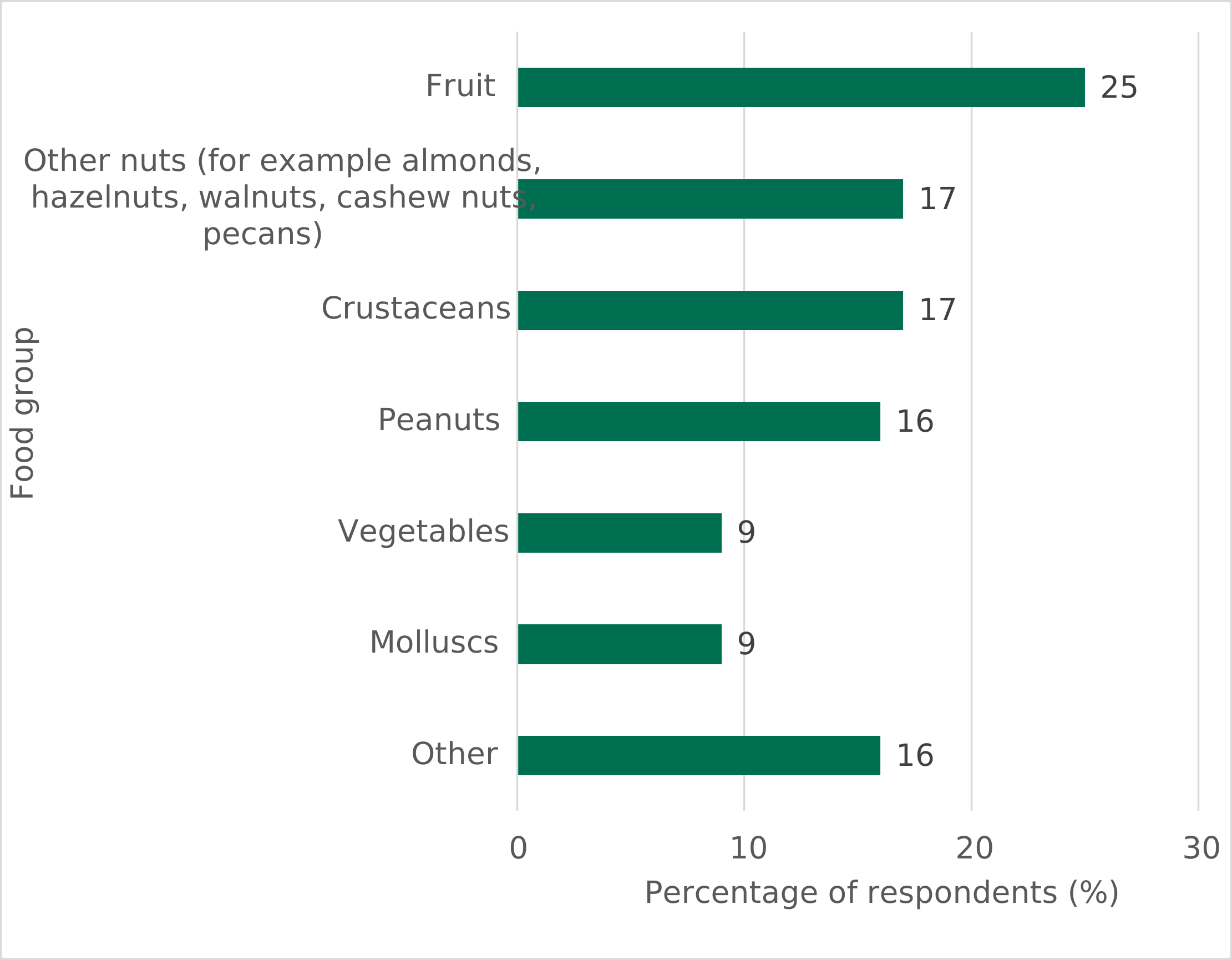
Amongst the respondents who reported having a food allergy, the most common food reported as causing a reaction was fruit (25%). Other common allergens were crustaceans (for example, crabs, lobster, prawns, scampi) (17%), peanuts (16%), and other nuts (for example, almonds, hazelnuts, walnuts, cashew nuts, pecans) (17%). However, 16% of respondents reported an allergy to other foods which were not listed in the questionnaire (Figure 16). (footnote 5)
Figure 16. The food groups most likely to cause allergic reactions
Download this chart
Source: Food & You 2: Wave 10
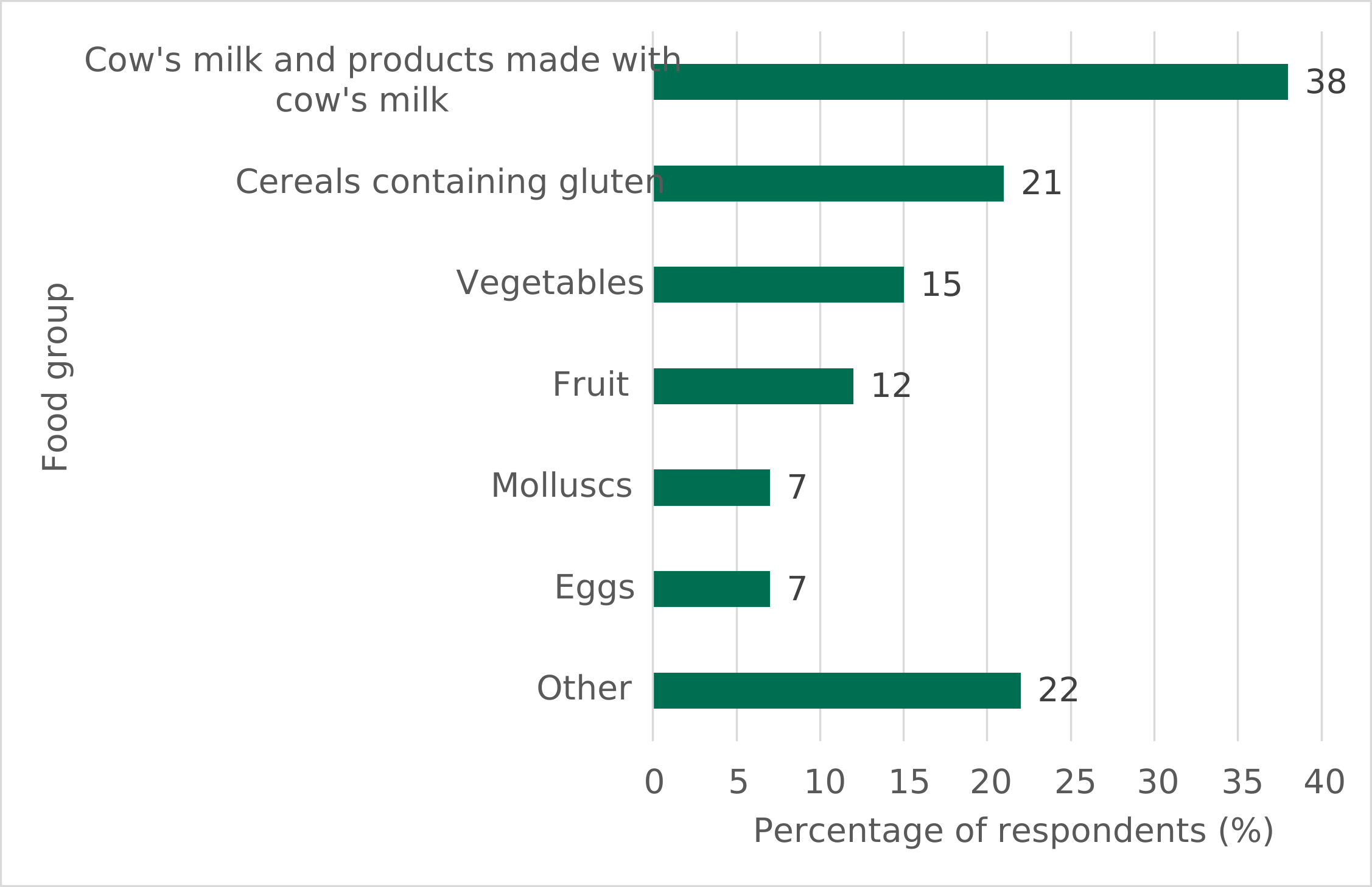
Amongst the respondents who reported having a food intolerance, the most common food groups reported as causing a reaction were cow’s milk and products made with cow’s milk (for example, butter, cheese, cream, yoghurt) (38%) and cereals containing gluten (for example, wheat, rye, barley, oats) (21%). Around a fifth of respondents (22%) reported an intolerance to other foods which were not listed in the questionnaire (Figure 17). (footnote 6)
Figure 17. The food groups most likely to cause a food intolerance
Download this chart
Source: Food & You 2: Wave 10
Diagnosis of food hypersensitivities
Respondents who reported having a bad or unpleasant reaction were asked how they had found out about their condition. Around a quarter (26%) of respondents who reported having any food hypersensitivity had been diagnosed by an NHS or private medical practitioner, and 5% had been diagnosed by an alternative or complementary therapist. However, most respondents (73%) had not received any diagnosis. (footnote 7)
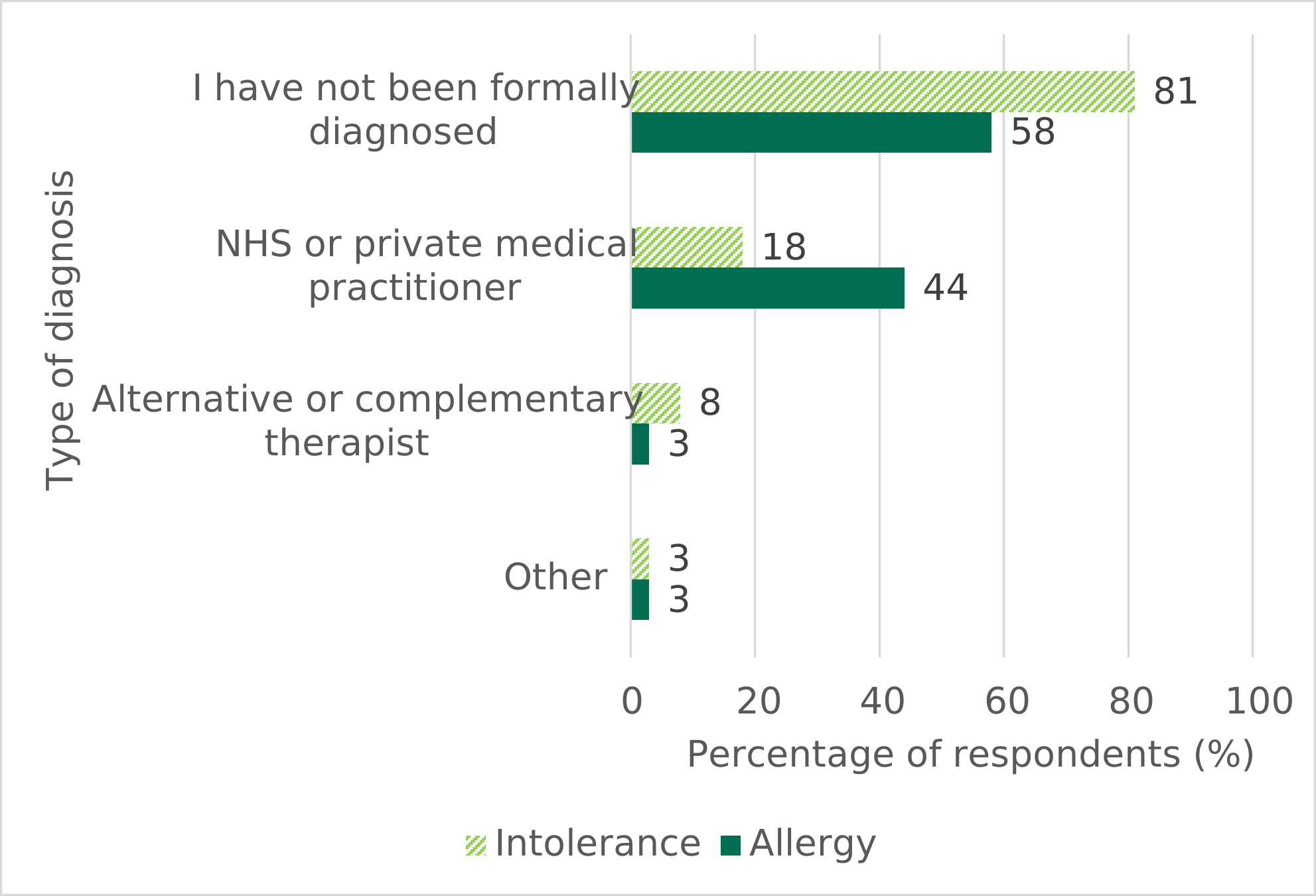
Respondents with a food allergy (44%) were more likely to be diagnosed by an NHS or private medical practitioner than those reporting a food intolerance (18%). Conversely, those who reported having a food intolerance only (81%) were more likely to have noticed that a food causes them problems, but not received a formal diagnosis, than those with a food allergy (58%) (Figure 18).
Figure 18. Prevalence and type of food reaction and intolerance diagnosis
Download this chart
Source: Food & You 2: Wave 10
Severity of food hypersensitivities
Respondents who reported that they suffer from a bad or unpleasant physical reaction after consuming certain foods or avoid certain foods because of the bad or unpleasant physical reaction they might cause, were asked how they would describe their reaction. Around three in ten (28%) respondents reported that they had a mild reaction, 46% reported that they had a moderate reaction, and 24% of respondents reported that they had a severe reaction. (footnote 8)
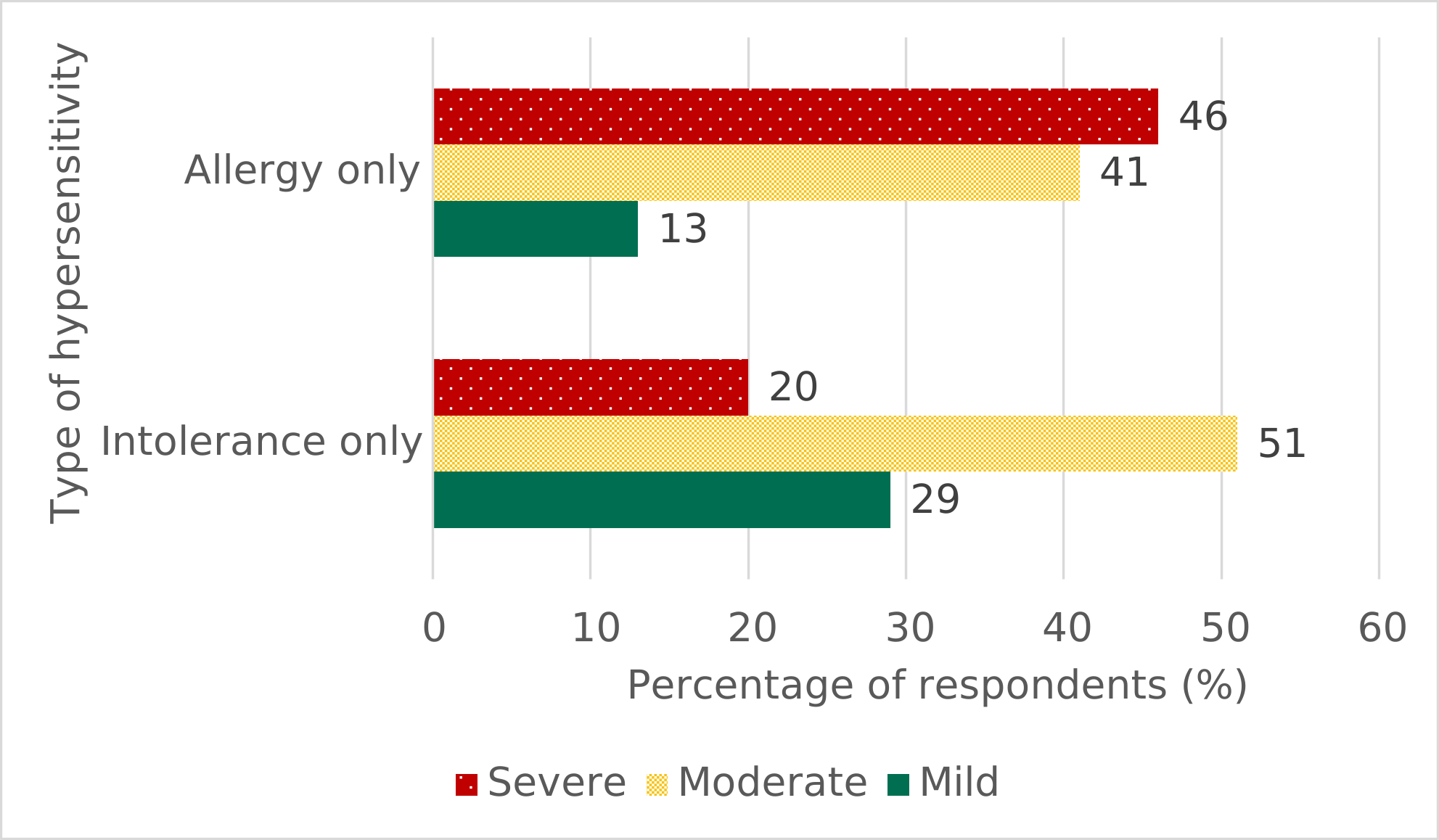
Respondents who suffer from an allergy only (46%) were more likely to report that they had a severe reaction than those with only an intolerance (20%). Conversely, respondents who suffer from an intolerance only (29%) were more likely to report that they had a mild reaction than those with only an allergy (13%) (Figure 19). (footnote 9)
Figure 19. Reaction severity of respondents with an intolerance or allergy
Download this chart
Source: Food & You 2: Wave 10
Frequency and causes of food reactions
Respondents who reported that they suffer from a bad or unpleasant physical reaction after consuming certain foods or avoid certain foods because of the bad or unpleasant physical reaction they might cause, were asked if they had experienced a reaction in the previous 12 months. Of these respondents, 59% reported that they had experienced a reaction, and 35% reported that they had not experienced a reaction. (footnote 10)
Respondents who had experienced a bad or unpleasant physical reaction in the previous 12 months were asked how many times they had experienced a reaction. Around a quarter (27%) of respondents had experienced reactions once or twice, 40% had experienced between 3 and 10 reactions, and 31% had experienced more than 10 reactions. (footnote 11)
Respondents who had experienced a bad or unpleasant physical reaction in the previous 12 months were asked what they thought caused their last reaction. The most commonly reported causes were food made to order from a restaurant or café (22%), pre-packaged food bought in a shop or café (18%), food ordered directly from a takeaway shop or restaurant (14%), and food prepared/cooked by the respondent in their home (14%). (footnote 12)
Confidence in avoiding unpleasant reactions when eating food in a home setting or from a food business
Respondents who had a food hypersensitivity were asked how confident they were in their ability to avoid food that might cause a bad or unpleasant physical reaction when eating food prepared in different environments.
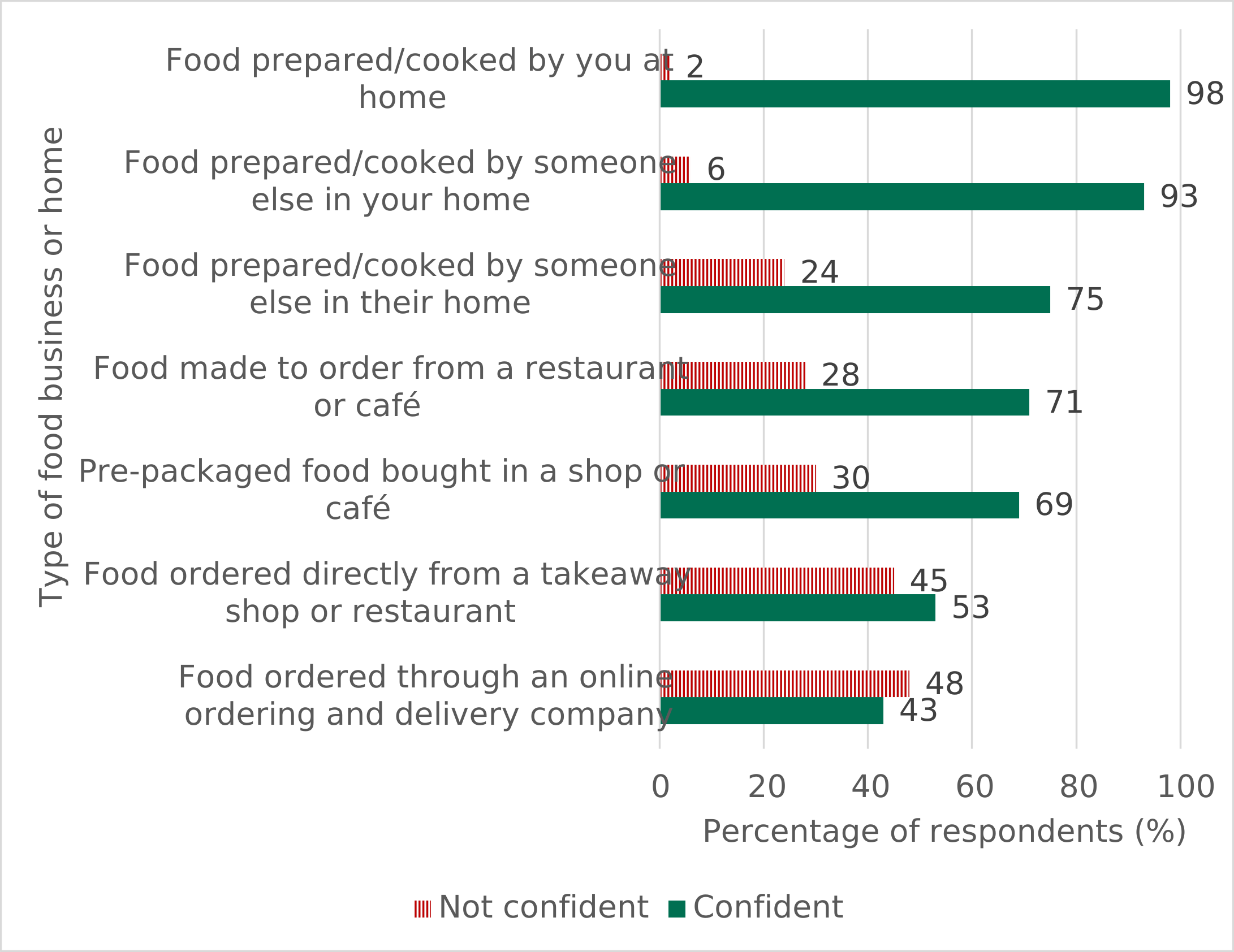
Almost all respondents were confident (i.e., very or fairly confident) in their ability to avoid unpleasant reactions when eating food they had prepared or cooked themselves at home (98%), or food prepared or cooked by someone else in the respondents’ home (93%). Three quarters (75%) were confident in their ability to avoid unpleasant reactions when food was prepared or cooked by someone else in that person’s home.
Around seven in ten respondents reported they were confident avoiding unpleasant reactions when eating food made to order from a restaurant or café (71%) and pre-packaged food bought in a shop or café (69%). Respondents were less likely to report confidence when eating food ordered directly from a takeaway shop or restaurant (53%) and food ordered through an online ordering and delivery company (for example, Just Eat, Deliveroo, Uber Eats) (43%) (Figure 23). (footnote 13)
Figure 20. Confidence of respondents with a food hypersensitivity in avoiding a bad or unpleasant reaction when eating food in a home setting or from different types of food business
Download this chart
Source: Food & You 2: Wave 10
Eating out with a food hypersensitivity
The FSA provides guidance for food businesses on providing allergen information. Food businesses in the retail and catering sector are required by law to provide allergen information and to follow labelling rules. The type of allergen information which must be provided depends on the type of food business. However, all food business operators must provide allergen information for pre-packed and non-pre-packed food and drink. Foods which are pre-packed or pre-packed for direct sale (PPDS) are required to have a label with a full ingredients list with allergenic ingredients emphasised.
How often people checked allergen information in advance when eating somewhere new
Respondents who suffer from a bad or unpleasant physical reaction after consuming certain foods were asked how often, if at all, they checked in advance that information was available, which would allow them to identify food that might cause them a bad or unpleasant reaction when they ate out or ordered a takeaway from somewhere new.
Around three in ten (29%) respondents always checked in advance whether the information which allows them to identify food that might cause them a bad or unpleasant reaction was available. A further 44% of respondents reported checking this information was available less often (i.e., most of the time, about half of the time, or occasionally). Around a quarter (26%) of respondents never checked in advance whether information that would allow them to identify food that might cause them a bad or unpleasant reaction was available. (footnote 14)
Availability and confidence in allergen information when eating out or ordering takeaways
Respondents who suffered from a bad or unpleasant physical reaction after consuming certain foods were asked how often information, which allowed them to identify food that might cause them a bad or unpleasant reaction, was readily available when eating out or buying food to take out.
Around two in ten (17%) respondents reported that this information was always readily available. However, most respondents (71%) reported that this information was available less often (i.e., most of the time, about half of the time, occasionally), and 7% reported that this information was never readily available. (footnote 15)
Respondents were asked how often they asked a member of staff for more information when this information is not readily available. Just over a quarter (27%) of respondents reported that they always asked staff for more information, whilst 44% did this less often (i.e., most of the time, about half of the time, occasionally) and 26% of respondents never asked staff for more information. (footnote 16)
Respondents were asked how comfortable they felt asking a member of staff for more information about food that might cause them a bad or unpleasant physical reaction. Most respondents (70%) reported that they were comfortable (i.e., very comfortable or fairly comfortable) asking staff for more information. However, 22% of respondents reported that they were not comfortable doing this (i.e., not very comfortable or not at all comfortable). (footnote 17)
When asked how confident they felt in the information provided, allowing them to identify and avoid food that might cause a bad or unpleasant physical reaction, respondents were more likely to be confident in information provided in writing (87%) compared to information provided verbally by a member of staff (63%). (footnote 18)
-
Allergens: celery, cereals containing gluten (such as barley and oats), crustaceans (such as prawns, crabs and lobsters), eggs, fish, lupin, milk, molluscs (such as mussels and oysters), mustard, peanuts, sesame, soybeans, sulphur dioxide and sulphites and tree nuts (such as almonds, hazelnuts, walnuts, Brazil nuts, cashews, pecans, pistachios and macadamia nuts).
-
For further information please see: Patterns and Prevalence of Adults Food Allergy report.
-
Question: Do you suffer from a bad or unpleasant physical reaction after consuming certain foods, or avoid certain foods because of the bad or unpleasant physical reaction they might cause? Responses: Yes, No, Don’t know, Prefer not to say. Base= 5690, all respondents.
-
Question/ Responses: This data is derived from multiple questions, see the Technical Report for further details. See data tables (REACTYPE_1 to REACTYPE_18 combined NET). Base=5690, all respondents. Please note: the figures shown do not add up to 100% as not all responses are shown.
-
Questions/Respondents: Derived variable, see data tables (REACSOURCAL) and Technical Report. Base= 145.
-
Questions/Respondents: Derived variable, see data tables (REACSOURCIN) and Technical Report. Base= 470.
-
Question: How did you find out about your problem with these foods? Responses: I have been diagnosed by an NHS or private medical practitioner (for example GP, dietician, allergy specialist in a hospital or clinic), I have been diagnosed by an alternative or complementary therapist (for example homeopath, reflexologist, online or walk-in allergy testing service), I have noticed that this food causes me problems but I have not been formally diagnosed with a specific condition, Other. Base= 1218, All respondents who suffer from a bad or unpleasant physical reaction after consuming certain foods, or avoid certain foods because of the bad or unpleasant physical reaction they might cause.
-
Question: How would you describe your bad or unpleasant physical reaction? Responses: Mild, Moderate, Severe, Don't know. Base = 1216, all respondents who suffer from a bad or unpleasant physical reaction after consuming certain foods or avoid certain foods because of the bad or unpleasant physical reaction they might cause.
-
Please note: the figures of those with Coeliac disease only and those with multiple food hypersensitivity conditions are not reported due to low base / sample size.
-
Question: In the last 12 months, have you experienced any bad or unpleasant physical reactions after consuming certain foods? Responses: Yes, No, Can’t remember, Not Stated. Base = 1228, all respondents who suffer from a bad or unpleasant physical reaction after consuming certain foods, or avoid certain foods because of the bad or unpleasant physical reaction they might cause or ‘Not stated’ whether they meet this condition.
-
Question: In the last 12 months, approximately how many times have you experienced a bad or unpleasant physical reaction after consuming certain foods? Responses: Once, Twice, Between 3 and 10 times, More than 10 times, Don't know. Base = 719, all respondents who experienced a bad or unpleasant physical reaction after consuming certain foods, in the last 12 months.
-
Question: Thinking about the last time you experienced a bad or unpleasant physical reaction after consuming food, what do you think caused the reaction? Responses: Food made to order from a restaurant or café, Food ordered directly from a takeaway shop or restaurant, Food prepared/cooked by you at home, Pre-packaged food bought in a shop or café, Other, Food ordered through an online ordering and delivery company, Don't know, Food prepared/cooked by someone else in your home, Food prepared/cooked by someone else in their home. Base = 483, all online respondents who experienced a bad or unpleasant physical reaction after consuming certain foods, in the last 12 months.
-
Question: How confident would you feel in your ability to avoid a bad or unpleasant physical reaction if you were eating...A) Food prepared/cooked by you at home. B) Food prepared/cooked by someone else in your home C) Food prepared/cooked by someone else in their home D) Pre-packaged food bought in a shop or café E) Food made to order from a restaurant or café F) Food ordered directly from a takeaway shop or restaurant G) Food ordered through an online ordering and delivery company (e. g. Just Eat, Deliveroo, Uber Eats). Responses: Very confident, Fairly confident, Not very confident, Not at all confident, Don't know. Base = 794, all online respondents who suffer from a bad or unpleasant physical reaction after consuming certain foods or avoid certain foods because of the bad or unpleasant physical reaction they might cause.
-
Question: When eating out or ordering food from somewhere new, how often, if at all, do you check in advance that information is available allowing you to identify food that might cause you a bad or unpleasant physical reaction? Responses: Always, Most of the time, About half of the time, Occasionally, Never, Don’t know. Base= 1182, all respondents who suffer from a bad or unpleasant physical reaction after consuming certain foods, or avoid certain foods because of the bad or unpleasant physical reaction they might cause, excluding online respondents who do not eat out or order takeaways.
-
Question: When eating out or buying food to take out, how often, if at all, is the information you need to help you identify food that might cause you a bad or unpleasant physical reaction readily available? Responses: Always, Most of the time, About half of the time, Occasionally, Never, Don’t know. Base= 1177, All respondents who suffer from a bad or unpleasant physical reaction after consuming certain foods, or avoid certain foods because of the bad or unpleasant physical reaction they might cause, excluding online respondents who do not eat out or order takeaways.
-
Question: When information is not readily available, how often do you ask a member of staff for more information? Responses: Always, Most of the time, About half of the time, Occasionally, Never, I don't need to ask because the information is always readily available, Don't know. Base= 1125, All respondents who suffer from a bad or unpleasant physical reaction after consuming certain foods, or avoid certain foods because of the bad or unpleasant physical reaction they might cause, excluding those who respond ‘I don't need to ask because the information is always readily available’ and online respondents who do not eat out or order takeaways.
-
Question: How comfortable do you feel asking a member of staff for more information about food that might cause you a bad or unpleasant physical reaction? Responses: Very comfortable, Fairly comfortable, Not very comfortable, Not at all comfortable, It varies from place to place, Don't know. Base = 1177, all respondents who suffer from a bad or unpleasant physical reaction after consuming certain foods, or avoid certain foods because of the bad or unpleasant physical reaction they might cause, excluding online respondents who do not eat out or order takeaways.
-
Question: How confident are you that the information provided will allow you to identify and avoid food that might cause you a bad or unpleasant physical reaction? A) when the information is provided in writing (for example, on the main menu or a separate allergen menu). B) when the information is provided verbally by a member of staff. Responses: Very confident, Fairly confident, Not very confident, Not at all confident, It varies from place to place, Don't know. Base= 1177, all respondents who suffer from a bad or unpleasant physical reaction after consuming certain foods, or avoid certain foods because of the bad or unpleasant physical reaction they might cause, excluding online respondents who do not eat out or order takeaways.