Food and You 2: Wave 10 Key Findings
F&Y2 Wave 10 Chapter 3: Eating out and takeaways
This chapter provides an overview of respondents’ eating out and takeaway habits, factors guiding venue choice, and awareness and use of the Food Hygiene Rating Scheme.
Introduction
The Food Hygiene Rating Scheme (FHRS) helps people make informed choices about where to eat out or shop for food by giving clear information about the businesses’ hygiene standards. Ratings are typically given to places where food is supplied, sold or consumed, including restaurants, pubs, cafés, takeaways, food vans and stalls.
The FSA runs the scheme in partnership with local authorities in England, Wales and Northern Ireland. A food safety officer from the local authority inspects a business to check that it follows food hygiene law so that the food is safe to eat. Businesses are given a rating from 0 to 5. A rating of 5 indicates that hygiene standards are very good and a rating of 0 indicates that urgent improvement is required.
Food businesses are provided with a sticker which shows their FHRS rating. In England businesses are encouraged to display their FHRS rating, however in Wales and Northern Ireland food businesses are legally required to display their FHRS rating. (footnote 1) FHRS ratings are also available on the FSA website.
This chapter provides an overview of respondents’ eating out and takeaway ordering habits, the factors that are considered when deciding where to eat out or order a takeaway from, and recognition and use of the FHRS.
Prevalence of eating out and ordering takeaways
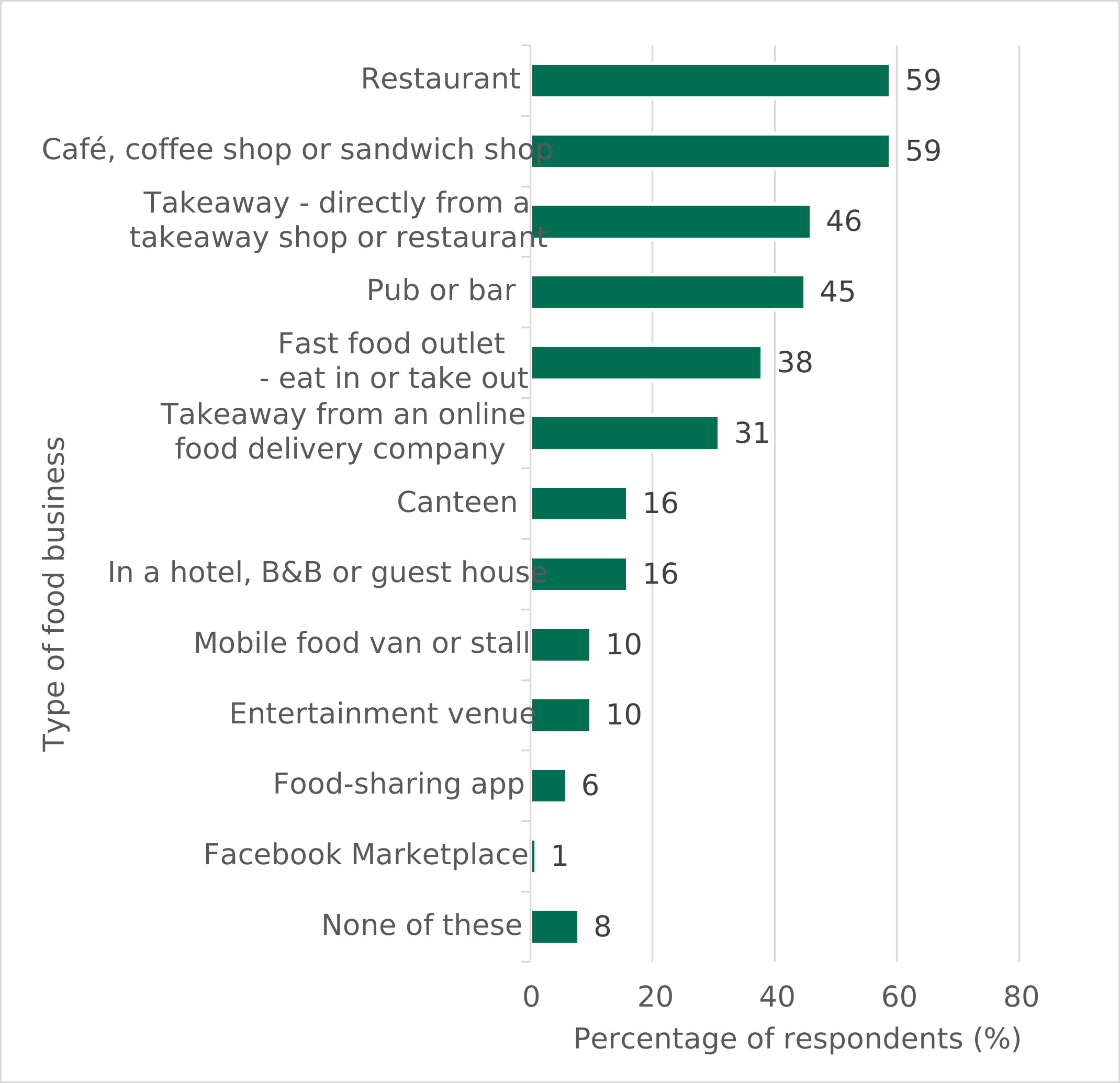
Respondents were asked where they had eaten food from in the previous four weeks. The most common type of establishment respondents had eaten at was a restaurant (59%) or a café, coffee shop or sandwich shop (either to eat in or take out) (59%). Over four in ten had eaten food from a takeaway ordered directly from a takeaway shop or restaurant (46%), or in a pub or bar (45%), whilst 38% had eaten food at a fast-food outlet (either to eat in or take out) and 31% had eaten food from a takeaway ordered from an online food delivery company (for example, Just Eat, Deliveroo, Uber Eats). Nearly one in ten 10 (8%) respondents had not eaten food from any of the listed food businesses in the previous 4 weeks (Figure 9). (footnote 2)
Figure 9. Type of food business respondents had eaten at or ordered food from in the previous 4 weeks
Download this chart
Source: Food & You 2: Wave 10
Eating out and takeaways by mealtime
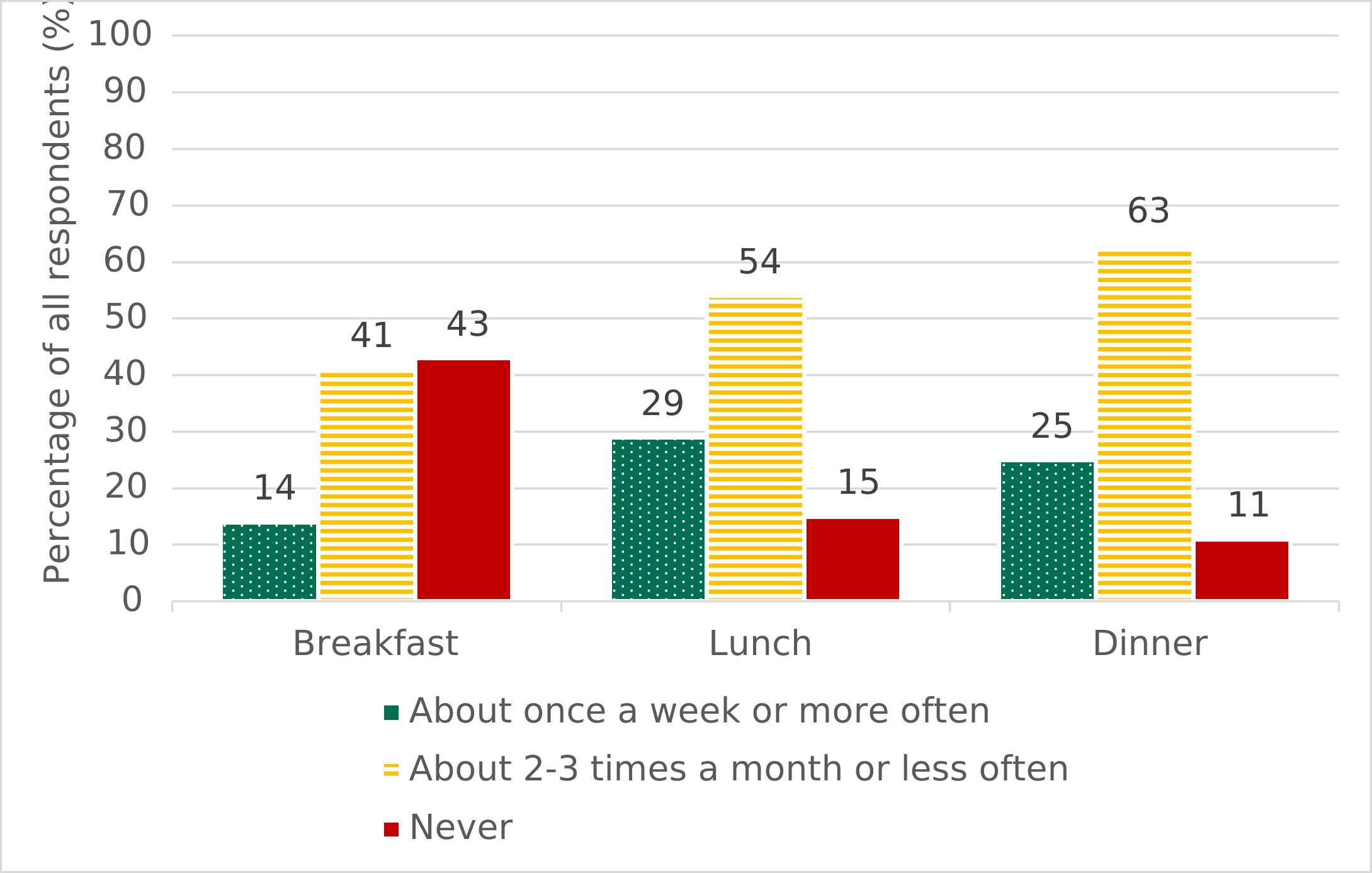
Respondents were asked how often they ate out or bought food to take out for breakfast, lunch, and dinner. Respondents were least likely to eat out or buy food to take out for breakfast, with 43% of respondents never doing this. Around three in ten (29%) respondents reported that they ate out or bought takeout food for lunch once a week or more often. Respondents were most likely to eat out or buy food to take out for dinner, with 63% doing this 2-3 times a month or less often and 25% doing this about once a week or more often and (Figure 10). (footnote 3)
Figure 10. Frequency of eating out or buying food to takeout by mealtime
Download this chart
Source: Food & You 2: Wave 10
Factors considered when eating out
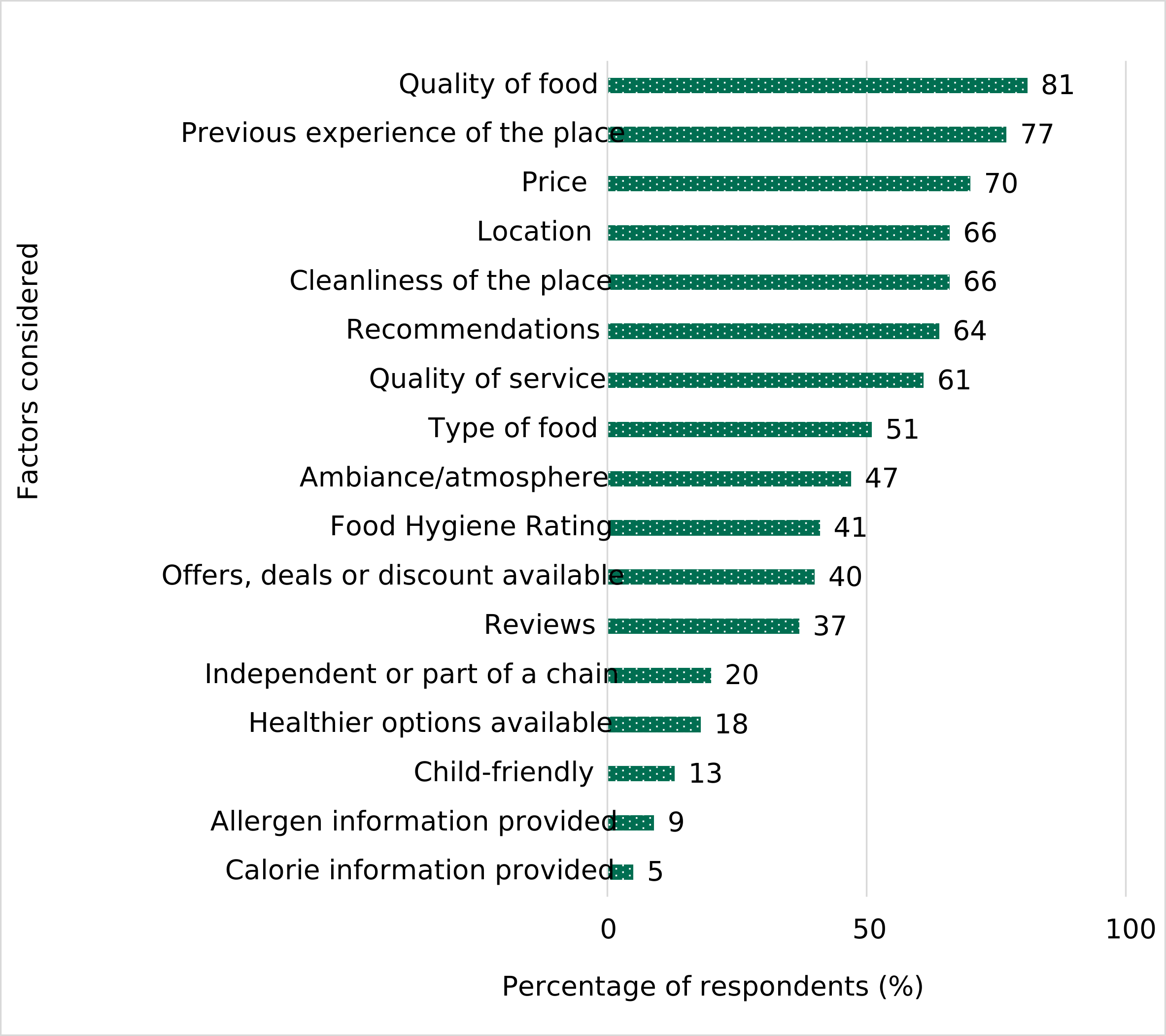
Respondents were asked which factors, from a given list, they generally considered when deciding where to eat out in restaurants, pubs, bars, cafés, coffee shops or sandwich shops. Those who eat out were most likely to consider the quality of food (81%) and their previous experience of the place (77%) when deciding where to eat. Around four in ten (41%) respondents considered the food hygiene rating when deciding where to eat out (Figure 11). (footnote 4)
Figure 11. Factors considered when deciding where to eat out
Download this chart
Source: Food & You 2: Wave 10
Factors considered when ordering takeaway
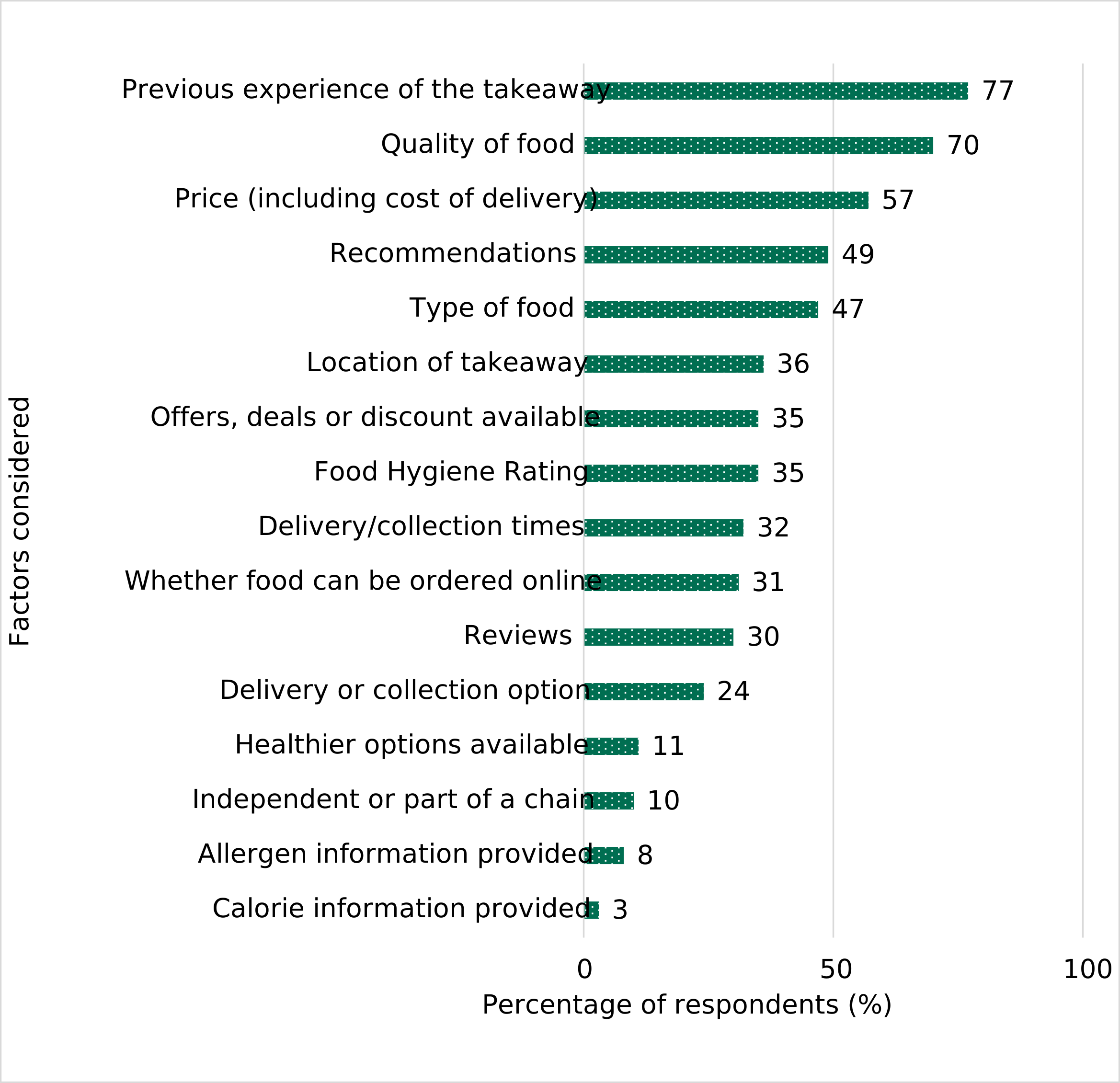
Respondents were asked which factors, from a given list, they generally considered when deciding where to order a takeaway from (footnote 5). Those who ordered takeaways were most likely to consider their previous experience of the takeaway (77%) and the quality of food (70%) when deciding where to order a takeaway from. Around a third (35%) of respondents considered the food hygiene rating when deciding where to order a takeaway from (Figure 12). (footnote 6)
Figure 12. Factors considered when ordering a takeaway
Download this chart
Source: Food & You 2: Wave 10
Awareness and recognition of the Food Hygiene Rating Scheme
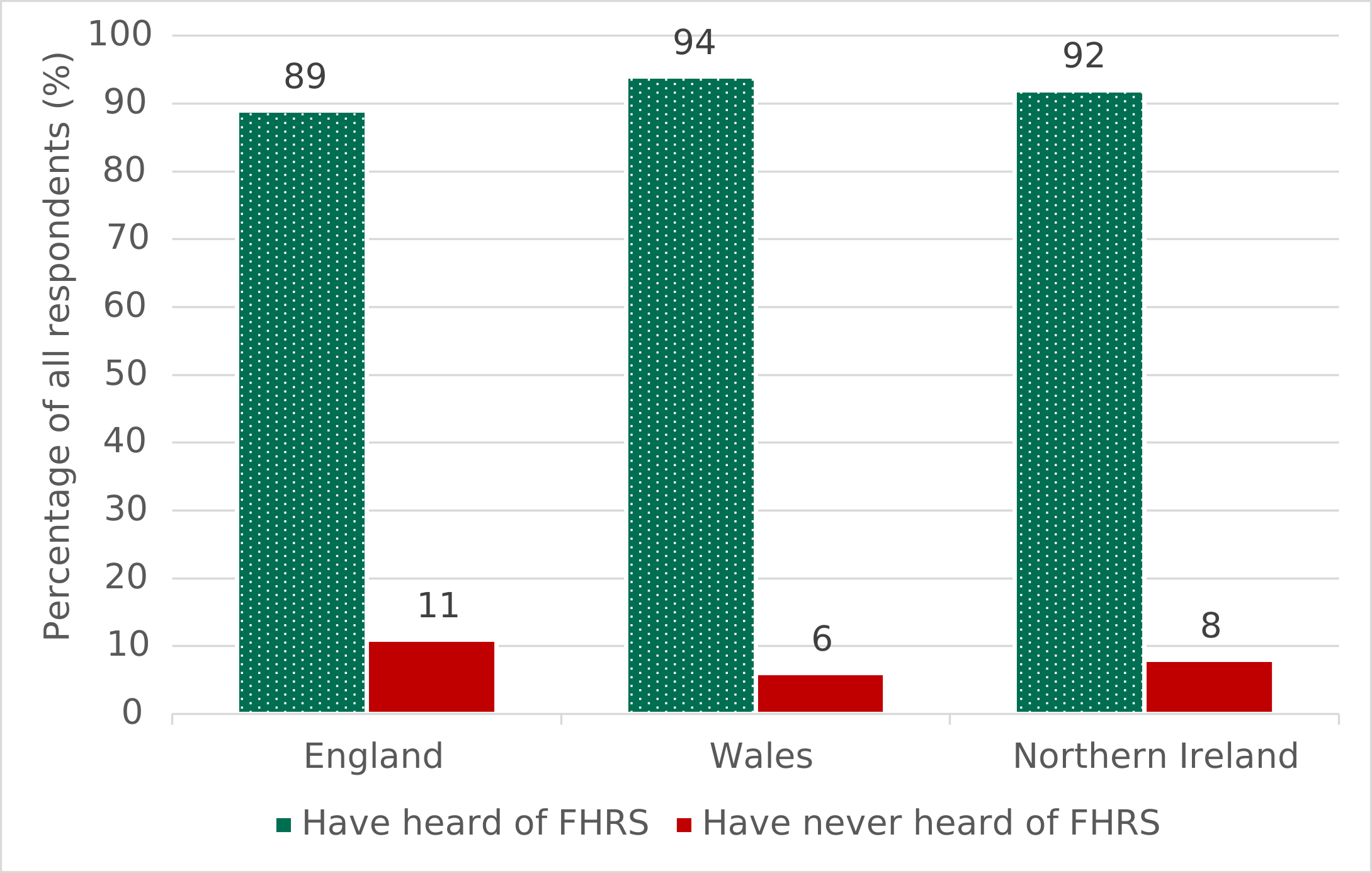
Most respondents (89%) reported that they had heard of the FHRS. Around six in ten (62%) respondents reported that they had heard of the FHRS and had at least a bit of knowledge about it. (footnote 7), (footnote 8)
Most respondents living in England (89%), Wales (94%), and Northern Ireland (92%) had heard of the FHRS (Figure 13). Respondents in Wales (73%) and Northern Ireland (66%)** were more likely to report that they had heard of the FHRS and had at least a bit of knowledge of the FHRS compared to those in England (61%).
When shown an image of the food hygiene rating sticker, 91% of respondents reported that they had seen the food hygiene rating sticker before. Recognition of the food hygiene rating sticker was slightly higher in Wales (95%) and Northern Ireland (95%) than in England (91%)**. (footnote 9)
Figure 13. Percentage of respondents who had heard of the FHRS by country
Download this chart
Source: Food & You 2: Wave 10
Food Hygiene Rating Scheme usage
Respondents were asked if they had checked the hygiene rating of a food business in the last 12 months. Around four in ten (44%) respondents reported checking the food hygiene rating of a business in the previous 12 months. (footnote 10)
Respondents living in Wales (59%) were more likely to have checked the hygiene rating of a food business in the last 12 months, compared to respondents in England (43%) and Northern Ireland (49%)**.
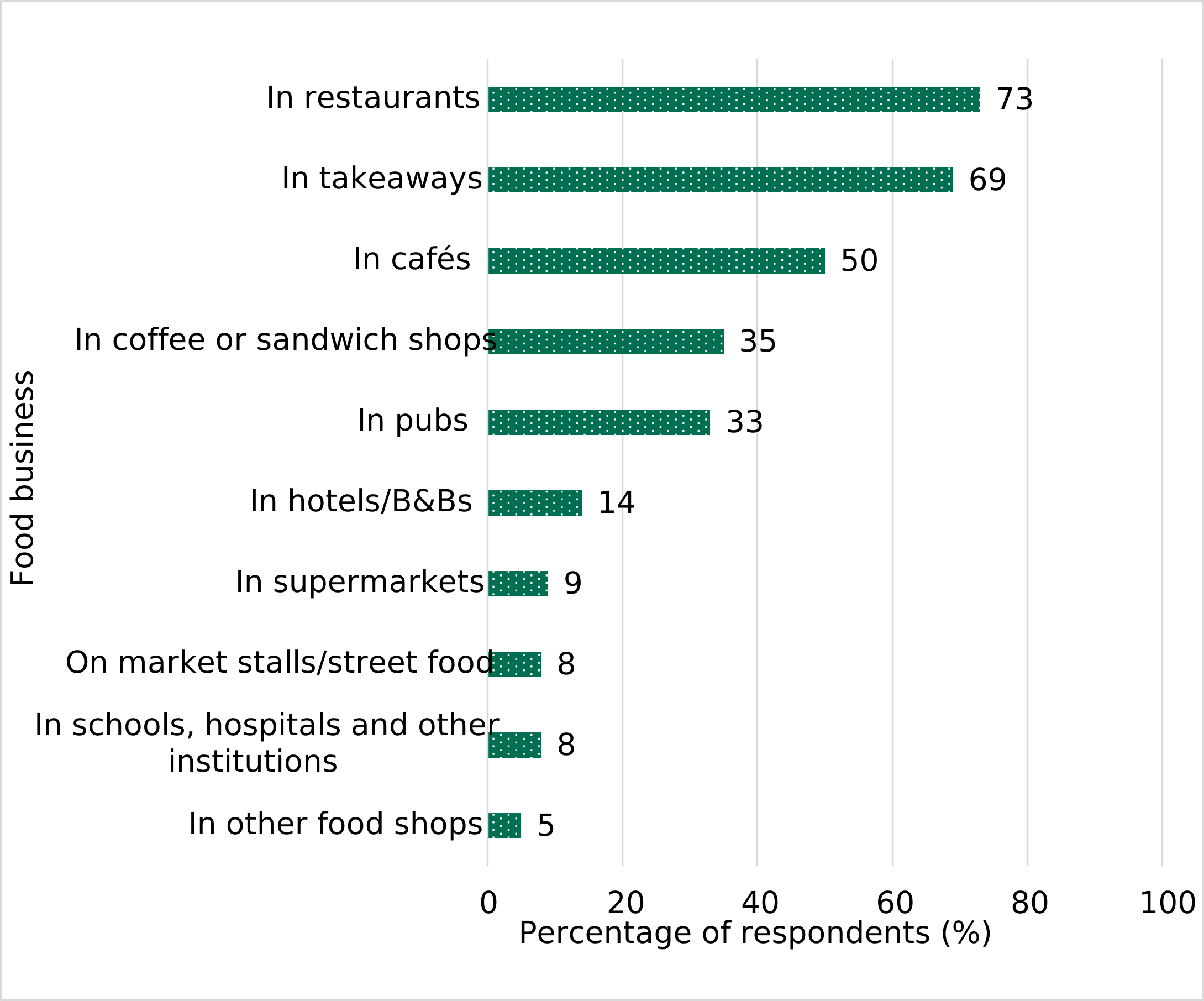
Respondents who said they had checked the hygiene rating of a food business in the last 12 months were asked what types of food businesses they had checked. The most common types of food business respondents had checked the food rating of were restaurants (73%) and takeaways (69%). Respondents were least likely to report checking the food hygiene rating of supermarkets (9%), market stalls/street food (8%), or schools, hospitals and other institutions (8%) (Figure 14). (footnote 11)
Figure 14. Food businesses where respondents had checked the food hygiene rating in last 12 months
Download this chart
Source: Food & You 2: Wave 10
-
Legislation for the mandatory display of FHRS ratings was introduced in November 2013 in Wales and October 2016 in Northern Ireland.
-
Question: In the last 4 weeks, have you eaten food... ? (Select all the apply) Responses: Ordered a takeaway directly from a takeaway shop or restaurant, From a café, coffee shop or sandwich shop (either to eat in or take out), Ordered a takeaway from an online food delivery company (for example Just Eat, Deliveroo, Uber Eats), From a fast food outlet (either to eat in or take out), In a restaurant, In a pub/ bar, From a canteen (for example at work, school, university, or hospital), From a mobile food van or stall, In a hotel, B&B or guesthouse, From an entertainment venue (for example cinema, bowling alley, sports club), From a food-sharing app (for example Olio or Too Good To Go), From Facebook Marketplace (for example pre-prepared food or meals), None of these. Base= 5690, all respondents. Please note, percentages shown do not add up to 100% as multiple responses could be selected.
-
Question: At the moment, how often, if at all, do you eat out or buy food to take out for…? A) Breakfast, B) Lunch, C) Dinner. Responses: Several times a week, About once a week, About 2-3 times a month, About once a month, Less than once a month, Never, Can’t remember. Base= 3926, all online respondents.
-
Question: Generally, when you eat out, what do you consider when deciding where to go? Please think about eating out in restaurants, pubs/bars, and cafés/coffee shops/sandwich shops? Responses: Quality of food, My previous experience of the place, Price, Location, Recommendations from family or friends, Cleanliness of the place, Quality of service, Type of food (e. g. cuisine or vegetarian/vegan options), Ambiance/atmosphere, Food Hygiene Rating, Offers, deals or discount available, Reviews, e. g. on TripAdvisor, Google or social media, or in newspapers and magazines, Whether it is an independent business or part of a chain, Whether healthier options are available, Whether the place is child-friendly, Whether allergen information is provided, Whether information about calories is provided, None of these, Don't know. Base= 3812, all online respondents answering excluding those who don’t eat out.
-
Including takeaway ordered directly from a takeaway shop or restaurant or via an online food delivery company.
-
Question: Generally, when ordering food from takeaways (either directly from a takeaway shop or restaurant or from an online food delivery company like Just Eat, Uber Eats or Deliveroo) what do you consider when deciding where to order from? Responses: My previous experience of the takeaway, Quality of food, Price (including cost of delivery), Type of food (for example cuisine or vegetarian/vegan options), Recommendations from family or friends, Food Hygiene Rating, Location of takeaway, Whether there is a delivery or collection option, Offers, deals or discount available, Delivery/ collection times, Whether food can be ordered online for example through a website or app, Reviews for example on TripAdvisor, Google, social media, or in newspapers and magazines, Whether it is an independent business or part of a chain, Whether healthier options are provided, Whether allergen information is provided, Whether information about calories is provided, None of these, Don’t know. Base= 3325, all online respondents excluding those who do not order from who order takeaways.
-
Question: Have you heard of the Food Hygiene Rating Scheme? Responses: Yes, I've heard of it and know quite a lot about it, Yes, I've heard of it and know a bit about it, Yes, I've heard of it but don't know much about it, Yes, I've heard of it but don't know anything about it, No, I've never heard of it. Base = 4804, all online respondents and those answering the ‘Eating Out’ postal questionnaire.
-
Responses to other FHRS questions not included in this report are available in the full dataset and tables. A more detailed FHRS report will be published separately.
-
Question: Have you ever seen this sticker before? Responses: Yes, No, Don’t know/ Not sure. Base = 4804, all online respondents and those answering the ‘Eating Out’ postal questionnaire.
-
Question: In the last 12 months, have you checked the hygiene rating of a food business? You may have checked a rating at the business premises, online, in leaflets or menus whether or not you decided to purchase food from there. Responses: Yes, I have checked the Food Hygiene Rating of a food business, No, I have not checked the Food Hygiene Rating of a food business, Don't know. Base = 4804, all online respondents and those answering the ‘Eating Out’ postal questionnaire.
-
Question: In which of the following kinds of food businesses have you checked the hygiene ratings in the last 12 months? Responses: In takeaways, In restaurants, In cafés, In coffee or sandwich shops, In pubs, In hotels & B&Bs, In supermarkets, In other food shops, In schools, hospitals and other institutions, On market stalls/street food, Manufacturers (Business-to-Business traders), Somewhere else, Don’t know. Base = 2309, all online respondents and all those who completed the ‘Eating Out’ postal questionnaire who have checked the Food Hygiene Rating of a food business in the last 12 months.